
The Complete Guide to Sourdough Rye Bread
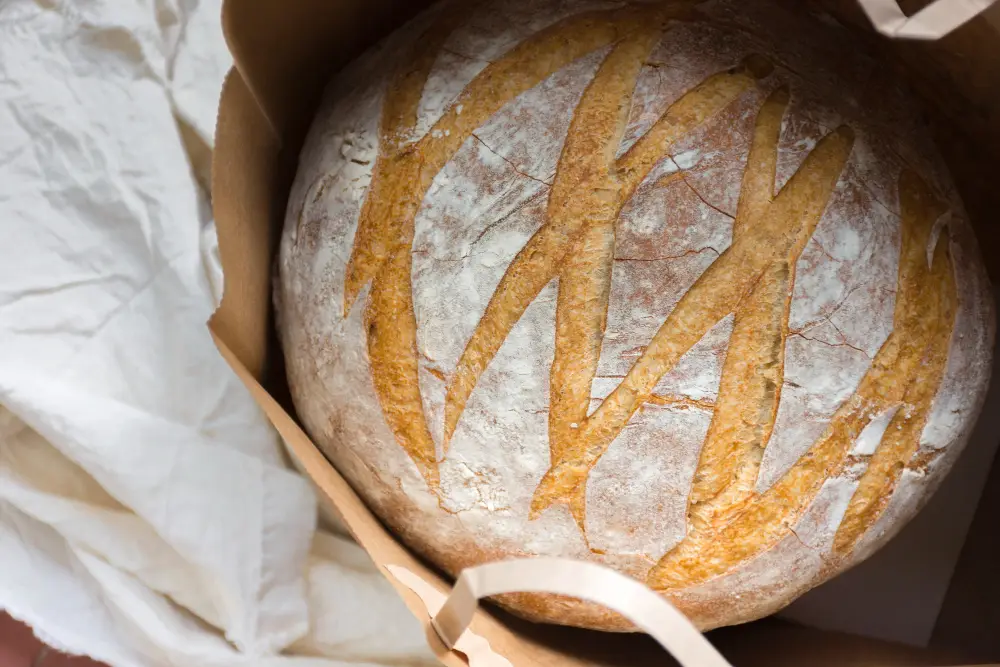
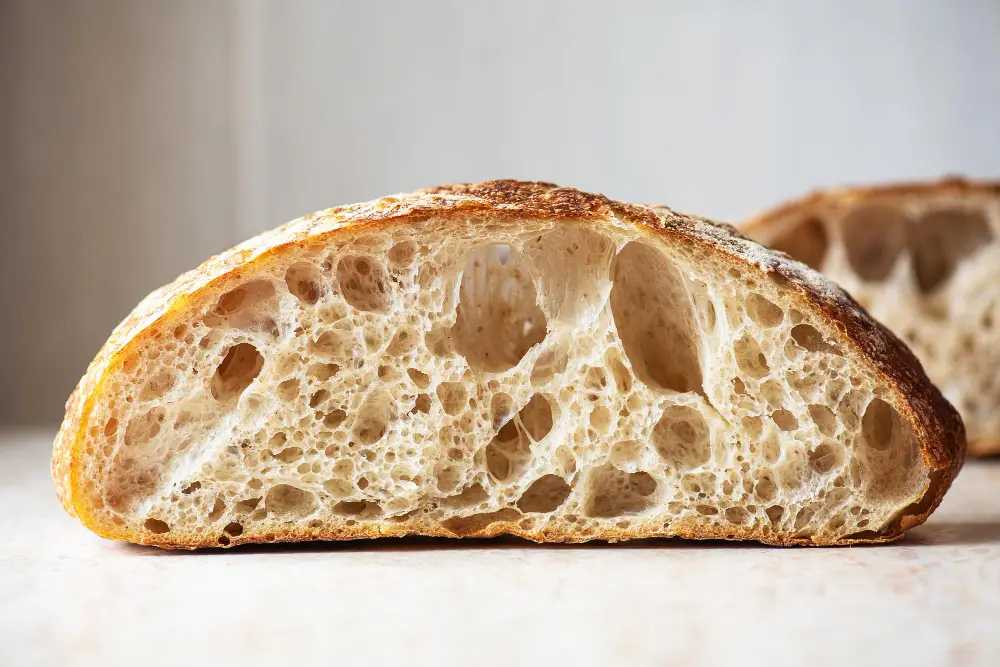
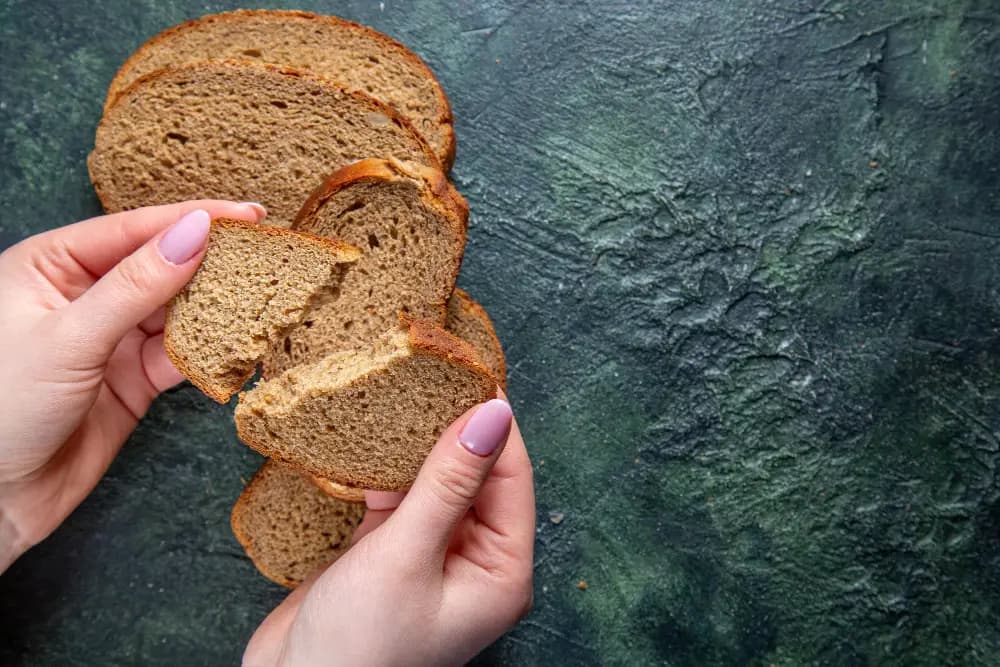
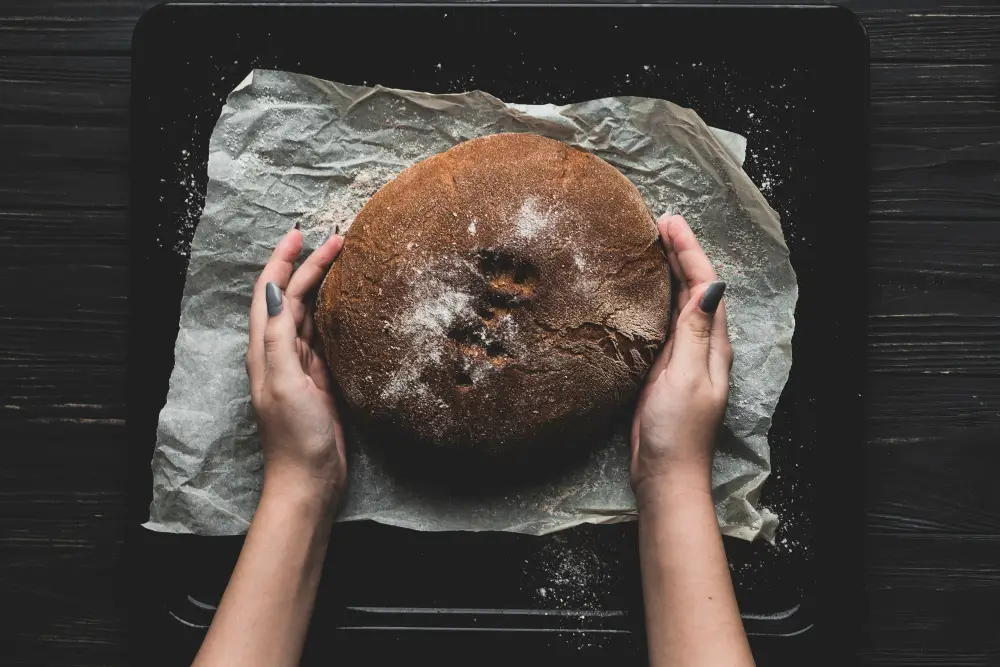
Sourdough rye bread is one of the oldest, most flavourful breads in the world. It's dark, dense, deeply sour, and loaded with character. Bakers across Northern and Eastern Europe have been making it for hundreds of years, long before commercial yeast existed. And once you learn to work with rye, you'll understand why so many bakers consider it their favourite grain.
This guide will walk you through everything you need to know to bake a great loaf at home. You'll learn why rye behaves differently from wheat, how to choose the right flour, how to build a rye starter, and how to approach the shaping and baking process. You'll also find troubleshooting tips, health information, and answers to the questions people ask most often.
If you've ever tried to make rye bread and ended up with a gummy brick, or if you've looked at a Danish rugbrød and wondered how on earth someone made it at home, this guide is for you. Rye isn't harder than wheat sourdough — it's just different. Once you understand those differences, the whole process starts to make sense.
New to sourdough in general? You might want to start with The Complete Beginner's Guide to Sourdough Bread first, then come back here once you've made your first wheat loaf.
What Is Sourdough Rye Bread?
Sourdough rye bread is a bread made mostly or entirely from rye flour, leavened with a natural starter rather than commercial yeast. The fermentation comes from wild yeast and lactic acid bacteria, which work together to raise the dough and develop its flavour.
Rye sourdough comes in many different styles. Some loaves are light and open, with rye making up just 20–30% of the flour. Others are nearly 100% rye — dense, dark, and sliced thin. The texture ranges from soft and springy to almost cake-like, depending on the hydration and the type of rye used.
What all rye sourdoughs share is a deep, slightly tangy flavour and a long shelf life. Rye bread stays fresh for days longer than wheat bread, which is part of why it became a staple food across so much of Europe.
There are a few classic examples worth knowing:
- German vollkornbrot — a 100% wholegrain rye loaf, dense and packed with seeds
- Danish rugbrød — a tin-baked rye with cracked grains, often used for smørrebrød (open sandwiches)
- Finnish ruisleipä — a round, flat sourdough rye with a hole in the middle
- Polish żytni — a mixed-flour rye that's lighter and often made in smaller loaves
- Jewish rye — a lighter style with caraway seeds, popular in New York delis
We cover these styles in more detail in our guide to classic sourdough rye recipes from around the world. Each one has its own history, technique, and place at the table.
Why Rye Is Different from Wheat
If you've made wheat sourdough before, you already know the rhythm: mix, autolyse, stretch and fold, shape, proof, bake. Rye doesn't follow that rhythm. It looks different, feels different, and behaves differently at every stage.
The main reason comes down to gluten — or rather, the lack of it.
Wheat flour contains two proteins called glutenin and gliadin. When you add water and knead, they link up to form gluten, the stretchy network that traps gas and gives wheat bread its open, airy crumb. Rye has some of these proteins too, but much less of them. It won't form a strong gluten network, no matter how long you knead.
Instead, rye relies on something called pentosans — a type of fibre that makes up a significant portion of rye flour. Pentosans absorb a huge amount of water, often several times their own weight. This is what gives rye dough its unique texture: sticky, thick, paste-like, almost like peanut butter rather than bread dough. According to the Whole Grains Council, rye contains significantly more soluble fibre than wheat, which explains both its handling and its health benefits.
This has a few big practical consequences:
- You don't knead rye dough. There's no gluten to develop, so kneading just makes a mess.
- Rye dough is much wetter than it looks. You mix it until everything is combined, then leave it alone.
- You shape rye by wetting your hands and smoothing the dough into a tin or round. Trying to use flour just makes it stick more.
- Rye proofs differently. It doesn't show the same "poke test" response as wheat. You learn to watch for small cracks appearing on the surface instead.
- Rye has lower oven spring. The loaf rises during proofing rather than in the oven, which is why many rye breads bake in tins.
There's another important factor: enzymes. Rye contains more active enzymes than wheat, especially one called alpha-amylase. This enzyme breaks down starch into sugars. In small amounts, that's good — it feeds the yeast and adds flavour. In large amounts, it turns the interior of the loaf gummy and sticky.
This is exactly why sourdough is so important for rye. The acidity from the lactic acid bacteria slows down those enzymes and lets the starch set properly when the bread bakes. Without that acid, most true rye breads simply don't work. This is why you almost never see rye leavened with commercial yeast alone — sourdough isn't optional for rye, it's essential.
We go much deeper into this in our article on why rye dough handles differently. If you want to really understand what's happening in your bowl, that's the one to read next.
Types of Rye Flour
Not all rye flour is the same. The type you use will change the flavour, colour, texture, and hydration of your bread. Walking into a good flour shop and seeing five different rye flours on the shelf can be confusing, so let's break them down.
Light rye (sifted rye) is the mildest option. Most of the bran and germ have been removed, leaving a pale, fine flour. It tastes gentler, handles more easily, and gives a lighter loaf. It's a good first rye to experiment with and often appears in mixed-flour loaves.
Medium rye is what most recipes mean when they just say "rye flour." It sits between light and dark in terms of bran content. It's versatile and works well in mixed wheat-and-rye recipes like Jewish deli rye.
Dark rye includes most of the bran but not all of it. It has a stronger, earthier flavour and makes a denser bread. Dark rye is closer to what traditional European rye breads were made with.
Wholegrain rye (also called pumpernickel flour in the US) is the full grain, milled to a coarse flour. It contains all the bran, germ, and endosperm. This is what you want for heavy, traditional breads like vollkornbrot or rugbrød. The flavour is strong and slightly sweet, and the hydration is very high.
Cracked or chopped rye isn't really flour at all — it's broken grains of rye, sometimes soaked overnight before being added to a dough. Cracked rye is what gives Danish-style breads their distinctive chewy texture.
For your first few rye bakes, a blend of medium rye and strong white wheat flour is a forgiving place to start. As you get more confident, you can increase the rye percentage and try wholegrain options. We have a full breakdown in our guide to rye flour for sourdough: light, medium, dark, and whole, including which styles work best for different loaves.
One quick note on sourcing: fresh rye flour matters. Rye has more oils in the germ than wheat, so it can go stale or rancid faster. Buy from a shop with good turnover, and store your flour in a cool, airtight container.
Building a Rye Sourdough Starter
You can make rye sourdough with an existing wheat starter — many bakers do. But a dedicated rye starter has some real advantages.
Rye starters are more active than wheat starters. The wild yeast and bacteria love rye, partly because of the minerals and sugars in the bran. They multiply faster and produce more acid. That means shorter fermentation times and a more robust leavening ability, which is exactly what dense rye doughs need.
Rye starters also have a different flavour profile. They're often described as fruitier, earthier, and slightly more tangy than wheat starters. That character carries through into the finished bread.
You can build a rye starter from scratch in about 7–10 days, using wholegrain rye flour and filtered water. The process is almost identical to building a wheat starter, just with rye instead. Or, if you already have an active wheat starter, you can convert it to a rye starter over three or four feeds by gradually switching the flour.
If you're starting from zero, our step-by-step guide on how to make a sourdough starter from scratch covers the basics, and building a rye sourdough starter has the specifics for rye.
A healthy rye starter:
- Doubles within 4–6 hours of feeding at room temperature
- Smells fruity, slightly vinegary, and yeasty — not unpleasant
- Has a thicker, stickier texture than a wheat starter
- Shows visible bubbles throughout, not just on the surface
Once you have a mature rye starter, feeding and maintenance is simple. Keep it in the fridge if you're baking once a week or less, and feed it 8–12 hours before you want to mix your dough. Our long-term starter maintenance guide covers the details.
The Rye Baking Process: What to Expect
Rye baking follows a broadly similar rhythm to wheat sourdough — prepare your starter, mix the dough, ferment, shape, proof, bake — but the details at every stage are different enough to catch wheat bakers off guard.
Feeding Your Starter
Feed your rye starter the evening before you plan to bake and leave it to develop overnight. A rye starter fed at the right ratio will peak within 4–8 hours at room temperature, depending on temperature and activity. The goal is to use it when it's bubbly, slightly domed, and at its most vigorous.
Mixing the Dough
Rye dough is mixed until combined, not kneaded. The aim is a uniform, sticky mass — more like thick porridge than anything you'd call a traditional dough. This catches wheat bakers completely off guard the first time. The stickiness is not a mistake.
Rye recipes are typically expressed as a percentage of rye flour to wheat flour — a 60% rye blend (with 40% wheat) is a common starting point for beginners. As the rye percentage rises, the dough becomes wetter, denser, and more enzyme-active, and the baking process shifts accordingly. Understanding those ratios, and how to adjust them for your starter and flour, is one of the key things you develop with practice.
Bulk Fermentation
Rye ferments faster than wheat. A well-fed, warm rye dough can be ready for shaping in as little as three to four hours, while a cooler or less active dough might need longer. The signs of a ready rye dough are different too — look for visible bubbles on the surface, a noticeable but not dramatic volume increase, and a slightly domed top. Rye rarely doubles the way wheat does; waiting for doubling risks over-fermentation.
Shaping
Rye shaping is more like plastering than bread shaping. The dough is pressed firmly into a well-greased tin using wet hands. Trying to shape it on a bench is an exercise in frustration. Most rye breads, especially high-percentage ryes, are baked in tins rather than free-form — the tin provides the structure the dough can't create for itself.
Wetting your hands (rather than flouring them) is essential at this stage. A bowl of cold water on the counter next to you is the rye baker's best friend.
Final Proof and Reading Readiness
Unlike wheat sourdough, rye doesn't respond well to the poke test. Instead, you watch for fine surface cracks beginning to appear on the top of the dough. This signals the dough has reached the top of its rise and is ready for the oven. Large, gaping cracks mean you've gone too far.
Getting this right by sight — knowing what a ready rye dough actually looks like — is one of those skills that clicks much faster in person than from a description. It's a central part of what our Rye Workshop is designed to teach.
Baking
Rye bread is typically baked at high heat initially, then reduced to a moderate temperature for the remainder of the bake. Because rye is baked in a tin rather than a Dutch oven, steam management works differently. A probe thermometer is genuinely useful here — the internal temperature confirms doneness in a way the crust colour alone can't, since a slightly pale crust can conceal an under-baked crumb.
The Rest After Baking
This is the hardest part for most rye bakers: the loaf should rest for at least 12 hours — ideally 24 — after baking before it's sliced. The starches in rye continue to set as the loaf cools, and cutting too early will give you a gummy, dense crumb that never fully recovers. Wrapping the cooled loaf in a linen cloth and waiting overnight transforms the texture and the flavour.
Flavour Variations and Add-Ins
Once you've got the basic method down, rye bread becomes a playground. It takes flavours and add-ins beautifully, and small changes can dramatically shift the character of the loaf.
Seeds and grains. Sunflower seeds, pumpkin seeds, linseed, sesame, poppy seeds, and caraway all work brilliantly in rye. For cracked rye or rolled oats, soaking them in hot water before mixing prevents them from drawing moisture out of the crumb.
Molasses and malt. Traditional European ryes often include a spoonful of dark treacle, molasses, or malt syrup. This deepens the colour, adds a slight sweetness, and feeds the yeast.
Spices. Caraway is the obvious one, but coriander seed, fennel seed, anise, and orange zest all have traditional uses in various regional ryes.
Dried fruit and nuts. Walnuts, hazelnuts, raisins, dried figs, and cranberries all pair well with rye's earthy flavour. These additions turn a rustic loaf into something closer to a cheeseboard bread.
Beer instead of water. Replacing a portion of the water with dark beer, porter, or stout gives a rich, malty flavour and slightly darker crumb — a traditional technique in parts of Germany and Scandinavia.
The general rule: too many additions can weaken the already-fragile rye structure, so add-ins should be kept in proportion to the total flour weight.
Traditional Rye Breads Around the World
Once you've mastered a basic rye loaf, a whole world of regional breads opens up. Rye is the national bread in several countries, and each has its own distinctive style.
Denmark — Rugbrød. A tin-baked sourdough rye packed with cracked rye grains, sunflower seeds, and sometimes linseed. It's the foundation of smørrebrød, the Danish open sandwich. Rugbrød is deeply nutritious and often 100% wholegrain rye.
Germany — Vollkornbrot and Roggenbrot. Germany has perhaps the richest rye bread culture in the world. Vollkornbrot is a 100% wholegrain rye, dense and mineral-rich. Pumpernickel, a traditional Westphalian bread, is baked for up to 24 hours at a low temperature, giving it a distinctive dark colour and sweet, malty flavour.
Finland — Ruisleipä. Traditionally a round, flat loaf with a hole in the middle. The hole was for hanging the loaves on a pole to store them. Modern ruisleipä is usually made in a tin but keeps that wholegrain, deeply sour character.
Russia and Ukraine — Borodinsky. A sweetened rye made with molasses, coriander, and sometimes malt. It has a unique aroma from the coriander and a slightly sweet, complex flavour.
Poland — Żytni chleb. Often a lighter mix of rye and wheat, sometimes with added potatoes for moisture. Polish rye breads vary hugely by region.
United States — Jewish-style Rye. Lighter than European rye, usually around 30% rye and 70% wheat, with caraway seeds. This is the classic deli rye used for pastrami and Reuben sandwiches.
We've written a full article on classic sourdough rye recipes from around the world with details on the most iconic styles.
Health Benefits of Sourdough Rye Bread
Rye is one of the most nutritionally dense grains you can eat, and sourdough fermentation makes it even better.
Rye is high in fibre. A slice of wholegrain rye contains more fibre than almost any other bread. Much of this is soluble fibre, which feeds the good bacteria in your gut and helps slow the absorption of sugar into the bloodstream.
Rye has a low glycaemic index. Studies from institutions like the University of Eastern Finland have repeatedly shown that rye bread produces a slower, steadier blood sugar response than wheat bread — partly due to the fibre and partly to the structure of rye starch itself.
Sourdough fermentation improves digestibility. During the long ferment, lactic acid bacteria break down some of the gluten, starches, and phytic acid in the grain. Phytic acid is an "anti-nutrient" that can block mineral absorption. Reducing it means your body can access more of the iron, zinc, and magnesium in the bread. Our article on whether sourdough is easier to digest covers this in more detail.
Rye sourdough keeps you fuller for longer. Because of its fibre content and slow digestion, a small slice of rye is often more satisfying than a larger piece of white bread. Research published on PubMed has explored rye's effect on satiety across multiple studies.
A quick note on gluten: rye does contain gluten. It's usually easier to digest than wheat for people with mild sensitivities, but anyone with coeliac disease should avoid it. For gluten-free sourdough options, see our complete guide to gluten-free sourdough bread.
If you're looking to eat more wholegrains in general, the NHS guidance on wholegrains and the Harvard T.H. Chan School of Public Health both have accessible overviews.
Common Rye Sourdough Problems
Rye has its own distinct set of issues. Here are the most common ones and what to do about them.
My rye bread is gummy in the middle. This is the classic rye problem, and it usually has one of three causes: you sliced it too early (wait 24 hours), you didn't bake it long enough (a probe thermometer is the most reliable check), or the dough over-fermented and the enzymes broke down too much starch. A mature, acidic starter is essential for keeping those enzymes in check.
My rye dough won't rise. Rye dough rises less dramatically than wheat, so some of this is normal. But if you're seeing basically no rise after several hours, your starter is probably weak. Feed it more often for a few days until it's doubling reliably. Cold room temperatures can also stall rye fermentation — it likes warmth.
My rye loaf cracked wide open on top. Big surface cracks mean you over-proofed, or your oven wasn't hot enough initially. Small cracks are normal and desirable. Aim for a few fine surface cracks at the start of baking.
My rye bread is too sour. Rye ferments quickly and produces a lot of acid. If your bread tastes sharply sour, try shortening your bulk ferment, cooling your fermentation environment, or using your starter earlier in its cycle. Our article on fixing overly sour sourdough goes into more detail.
My rye loaf is dense and heavy. Some density is expected — a 100% rye loaf should feel substantial. But if it's a brick, likely causes are under-fermentation, a weak starter, or dough that was too cold during the ferment. Check why sourdough turns out too dense for the full diagnostic.
For anything else, our complete sourdough troubleshooting guide covers the diagnostic process for almost every possible problem.
Tips from Years of Teaching Rye
We've taught hundreds of students how to bake rye sourdough in our workshops, and a few pieces of advice come up again and again.
Embrace the stickiness. The single biggest mental adjustment is accepting that rye dough is supposed to be sticky. Resist the urge to add more flour. Every bit of extra flour throws off the hydration balance and makes things worse.
Wet, don't flour. When you need to handle the dough — turning it out, shaping it, smoothing the top — wet your hands and your tools with cold water.
Use a warm proofing spot. Rye fermentation slows dramatically in cool kitchens. A consistent warm temperature transforms your results.
Weigh everything. Rye is less forgiving of measurement errors than wheat. Because the pentosans absorb so much water, even small differences in hydration change the dough completely. A digital kitchen scale is non-negotiable.
Keep notes. Write down the flour blend, the ferment time, and the kitchen temperature for each bake. Rye reveals its patterns slowly, but after five or six bakes with good notes, you'll start seeing exactly what each variable does.
Don't overthink the shape. Rye doesn't need beautiful surface tension or a perfect boule. It needs to be pressed firmly into a well-greased tin. Spending too long trying to shape a sticky rye dough on the bench is a recipe for frustration.
Storing and Serving Rye Bread
One of the great things about rye is how well it keeps. A properly made sourdough rye will stay good for a week or more at room temperature — something wheat sourdough can't match.
For the first day or two: Wrap the cooled, rested loaf in a clean linen tea towel and keep it at room temperature. Don't use plastic for freshly baked rye — it traps moisture and can make the crust soggy.
For longer storage: After two or three days, you can transfer it to a paper bag or a bread box. Rye's high acidity naturally slows mould growth.
For the freezer: Rye freezes beautifully. Slice it first, wrap in baking paper, and seal in a bag. You can pull out individual slices as needed and toast directly from frozen.
Slicing: Rye should be sliced thin — much thinner than wheat bread. A sharp, long-bladed bread knife works best.
Serving ideas:
- With good salted butter and a sprinkle of flaky salt
- Topped with pickled herring, cucumber, and dill (Scandinavian style)
- Grilled with cheese and caraway
- Under smoked salmon, cream cheese, and capers
- With mature cheddar, apple slices, and wholegrain mustard
- Toasted and topped with avocado and poached egg
- As the base of a Reuben sandwich with pastrami and sauerkraut
Frequently Asked Questions
Is rye sourdough harder to make than wheat sourdough?
No — it's just different. The techniques are actually simpler in some ways, because there's no shaping, stretching, or folding. The main learning curve is getting used to the texture of the dough and understanding how rye signals its readiness. Many bakers find rye more forgiving once they stop trying to treat it like wheat.
Can I make rye sourdough with my wheat starter?
Yes. You can use an active wheat starter in any rye recipe. It won't give you the same depth of flavour or fermentation strength as a dedicated rye starter, but it works perfectly well.
How much rye can I put in a loaf before it gets difficult?
Up to about 30% rye, the dough still behaves a lot like wheat. Between 30% and 60%, you'll notice more stickiness and less oven spring. Above 60%, you're in true rye territory — don't expect a light, open crumb, and plan to bake in a tin. At 100% rye, the dough is more like batter than bread dough.
Do I need caraway in my rye bread?
Absolutely not. Caraway is traditional in many American and Jewish-style ryes but almost unknown in Scandinavian or German traditions. Feel free to leave it out, swap in fennel, or use a mix of seeds.
Why does my rye bread taste different from the loaves I've bought?
Commercial rye breads, even "artisan" ones, often include commercial yeast, extra sugars, and sometimes added gluten to make the dough easier to handle. A true long-fermented sourdough rye will taste more complex and more sour than most shop-bought rye.
Can I bake rye bread without a tin?
You can, but most rye doughs are too slack to hold their shape on a flat surface. If your dough is 50% rye or less, you can shape it like a wheat boule. Above that, a tin is strongly recommended.
Where to Go from Here
Rye is a grain with centuries of history and a flavour nothing else can match. Understanding the principles in this guide is a great foundation — the real learning happens in the kitchen, getting a feel for the dough and how it changes with each variable you adjust.
Here are the articles that pair best with this one:
- Rye flour for sourdough: light, medium, dark, and whole
- Why rye dough handles differently
- Building a rye sourdough starter
- Classic sourdough rye recipes from around the world
- Understanding hydration in sourdough
- Bulk fermentation explained
And if you'd rather learn by doing — with hands-on guidance and real-time feedback — our Rye Sourdough Workshop is a great way to shortcut months of trial and error. You'll bake a traditional rye loaf from scratch, learn to read and handle the dough in person, and take home your own rye starter. Have a look at what to expect at a sourdough workshop for the full picture, or read which sourdough workshop is right for you if you're not sure whether Classic, Rye, or Gluten-Free is the best fit.