
Understanding Hydration in Sourdough (And Why It Matters)
If you've spent any time reading sourdough recipes, you've probably come across something like "75% hydration" or "this is a high-hydration dough." It sounds technical, but the idea is actually straightforward — and once you understand it, a lot of other things about sourdough start to make sense.
This guide breaks down what hydration means, how it affects your bread, and how to choose the right level for where you are in your baking journey.
What Is Hydration in Sourdough?
Hydration refers to the ratio of water to flour in your dough, expressed as a percentage. It comes from a system called baker's percentages, where every ingredient is measured relative to the total flour weight.
The formula is simple:
Hydration (%) = (Weight of water ÷ Weight of flour) × 100
So if a recipe uses 400g of flour and 300g of water, that's a 75% hydration dough.
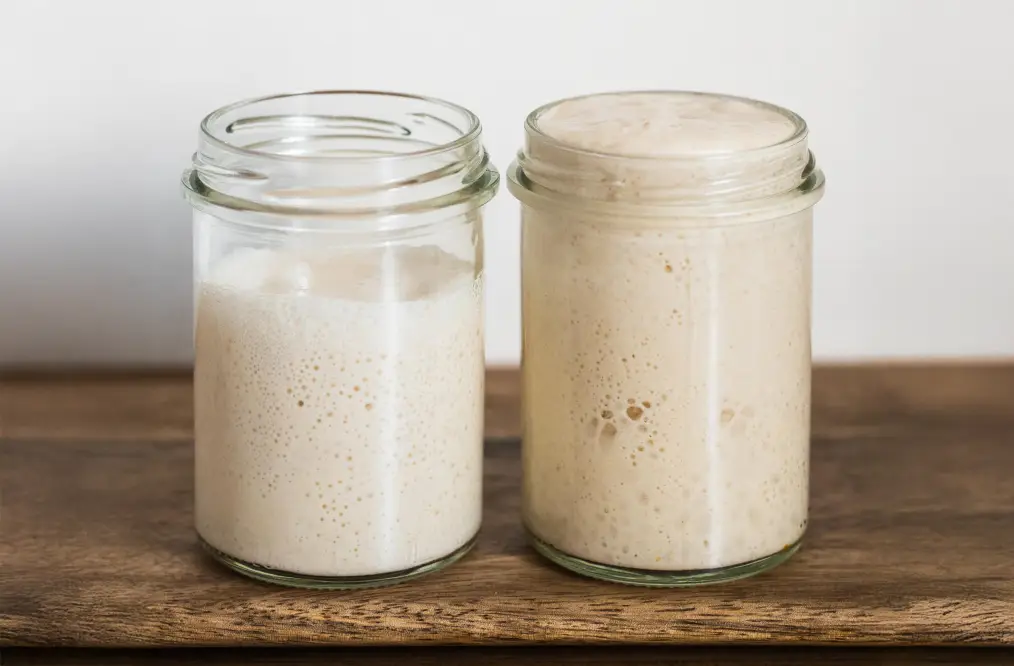
This percentage applies to your starter as well. Most starters are fed at 100% hydration, meaning equal weights of flour and water — which makes them roughly the consistency of thick pancake batter.
Why Does Hydration Matter?
Hydration affects almost every part of the baking process:
- Dough feel and handling — Higher hydration doughs are wetter and stickier, which makes them harder to shape. Lower hydration doughs are firmer and easier to work with.
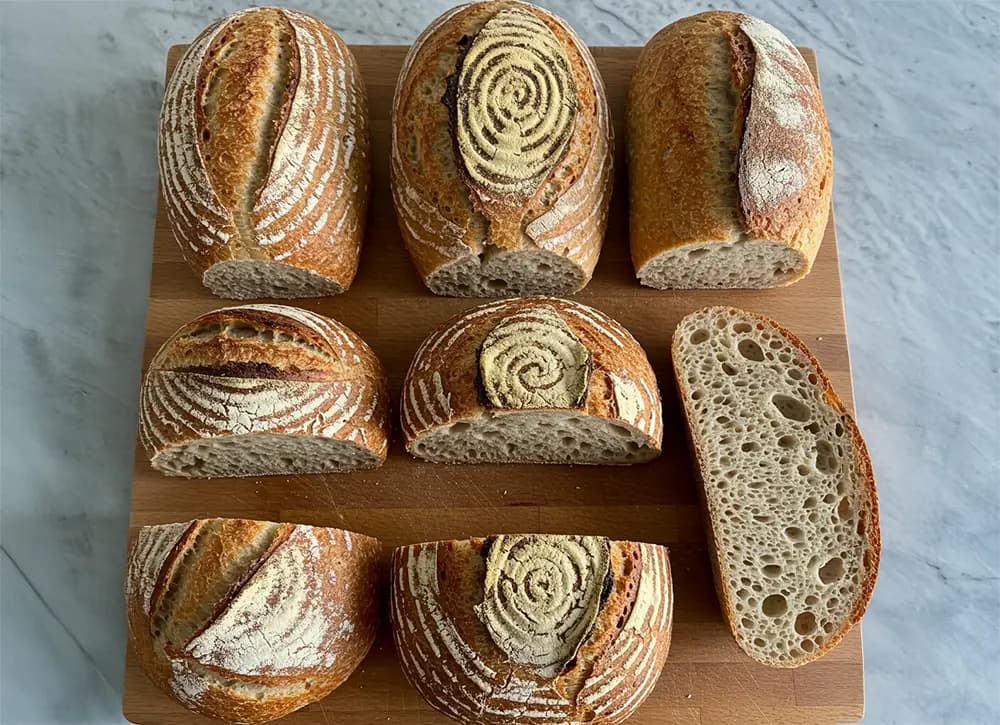
- Crumb structure — More water in the dough creates more steam during baking, which helps produce an open, airy crumb with larger holes. Lower hydration tends to produce a tighter, more uniform crumb.
- Crust — High-hydration loaves often develop a crispier, thicker crust.
- Fermentation speed — Water is the environment in which fermentation happens. Higher hydration doughs can ferment slightly faster, so timing becomes more important.
- Flavour — Hydration indirectly affects flavour by influencing how long and how actively fermentation runs. This connects closely to what's covered in The Science Behind Sourdough Fermentation.
Sourdough Hydration Chart: What the Percentages Mean
Use this as a general guide. Keep in mind that different flours absorb water differently, so the same percentage can feel quite different depending on what you're using.
| Hydration Level | % Range | Dough Feel | Crumb Style | Best For |
|---|---|---|---|---|
| Low | 60–65% | Firm, easy to handle | Tight, sandwich-style | Beginners, enriched doughs |
| Medium | 68–75% | Soft but manageable | Semi-open | Everyday sourdough, good all-rounder |
| High | 76–85% | Sticky and slack | Open, with large holes | Experienced bakers, ciabatta-style loaves |
| Very high | 86%+ | Very wet, challenging | Very open | Advanced bakers only |
Most beginner recipes sit in the 70–75% range. This is a good place to start because the dough is workable and forgiving, while still producing a nice open crumb.
How Flour Type Affects Hydration
Not all flours absorb water at the same rate, which is one reason you can't always swap flours in a recipe without adjusting the water.
Bread flour (strong white flour) has a high protein content — usually around 12–14%. More protein means more gluten, and gluten absorbs and holds water well. Bread flour can handle higher hydrations without the dough becoming unmanageable.
Wholemeal and whole wheat flour contains bran, which absorbs a significant amount of water. If you add wholemeal to a recipe, you'll often need to increase your water slightly to compensate, or the dough will feel drier than expected.
Rye flour absorbs water differently again — it contains compounds called pentosans that soak up water rapidly and create a dense, sticky dough even at moderate hydrations. This is one of the reasons rye sourdough behaves so differently from white flour sourdough.
Gluten-free flour blends vary widely depending on what's in them, but they generally need different hydration levels and don't behave like wheat flour at all.
The key takeaway: hydration percentages are a starting point, not a fixed rule. Learn to read your dough — its texture and behaviour tell you more than any number will.
Does Hydration Affect How Long You Ferment?
Yes, but it's one factor among several. Higher hydration doughs give the yeast and bacteria more of an aqueous environment to work in, which can speed up fermentation — particularly bulk fermentation. In warm conditions, a high-hydration dough can over-ferment quite quickly if you're not paying attention.
This is why recipes often pair high hydration with cooler proofing temperatures (like an overnight fridge proof), which slows things down and gives you more control.
For a deep dive into reading your dough during this phase, see Bulk Fermentation Explained.
What Hydration Should Beginners Start With?
Start at 70–72%. This gives you a dough that's easy enough to handle while still teaching you the fundamentals of stretch-and-fold, shaping, and reading fermentation.
Once you've baked a few loaves at this level and feel comfortable, try nudging it up by 2–3% at a time. Small increases let you adjust without the dough suddenly becoming unrecognisable.
Avoid jumping straight to 80%+ recipes you've seen on social media. Those loaves look incredible, but they require confident shaping technique and a good understanding of fermentation timing. How to Shape Sourdough Bread (Boule and Batard) is worth reading before you go there.
A Quick Note on Starter Hydration
Your starter's hydration matters too, because it contributes both flour and water to your final dough. Most recipes assume a 100% hydration starter (equal parts flour and water by weight).
If you're using a stiffer starter (say, 60–70% hydration) or a more liquid one, you may need to adjust your recipe's water quantity slightly. This is especially relevant once you start experimenting — but while you're getting started, keep things simple and stick to a standard 100% hydration starter.
Not sure if your starter is ready to bake with? How to Know When Your Sourdough Starter Is Ready to Bake With covers the visual and timing cues to watch for.
Common Hydration Mistakes (And How to Avoid Them)
Chasing high hydration too early. Open crumb is appealing, but it's the result of good technique, not just more water. Focus on your process first.
Not adjusting for flour type. If you swap in wholemeal or rye flour and don't change your water, your dough will feel different to what you expect. Start with a slightly reduced water amount and adjust from there.
Measuring by volume instead of weight. Cups and tablespoons are imprecise. A cup of flour can weigh anywhere from 120g to 160g depending on how it's scooped. Always use a kitchen scale — hydration percentages only work when you're measuring by weight. This is one of the fundamentals covered in The Complete Beginner's Guide to Sourdough Bread.
Ignoring temperature. Water temperature affects dough temperature, which affects fermentation rate. In summer, use cooler water to slow things down. In winter, slightly warmer water helps. The ideal dough temperature for sourdough is generally around 24–26°C after mixing.
Hydration in Context
Hydration is one variable in a system where everything connects. It interacts with flour type, fermentation time, ambient temperature, shaping technique, and baking method. Understanding it helps you make sense of why a recipe behaves the way it does — and gives you the confidence to troubleshoot when something goes wrong.
If you want to see how all of this comes together in practice — with someone guiding you through the process in real time — that's exactly what our hands-on workshops are designed for.
Find out what to expect at a sourdough workshop →
Frequently Asked Questions
What is a good hydration for sourdough beginners? Start between 70% and 72%. This produces a dough that's soft and workable without being too sticky to handle confidently.
Does higher hydration always mean a better crumb? Not automatically. An open crumb comes from a combination of good fermentation, proper shaping technique, and appropriate hydration. High hydration with weak technique often produces a flat, gummy loaf.
Can I use the same hydration for rye and white flour? No. Rye absorbs water differently and behaves quite differently at the same hydration level. See The Complete Guide to Sourdough Rye Bread for more on working with rye.
What does 100% hydration mean for a starter? It means equal weights of flour and water — for example, 50g of each. This produces a pourable, batter-like consistency. It's the most common style for home bakers.
How do I calculate the hydration of my dough? Add up all the water in your recipe (including the water contribution from your starter) and divide by the total flour weight (including flour in your starter), then multiply by 100. Most bread calculators online can do this for you once you understand the principle.