
Classic vs Rye vs Gluten-Free: Which Sourdough Workshop Is Right for You?
You've decided you want to learn sourdough. Great choice. But then you land on the bookings page and face a decision you weren't expecting: Classic, Rye, or Gluten-Free?
If you've spent more than 30 seconds staring at those three options, you're not alone. Most of our students arrive already curious about sourdough — but unsure which style suits them best. Some have dietary needs that make the choice obvious. Others are simply drawn to the idea of a particular loaf without knowing why.
This guide breaks down exactly what happens in each of the three sourdough workshop types, who they're designed for, and how to pick the one that matches where you are right now.
What All Three Workshops Have in Common
Before getting into the differences, it helps to know what stays the same across all three workshops.
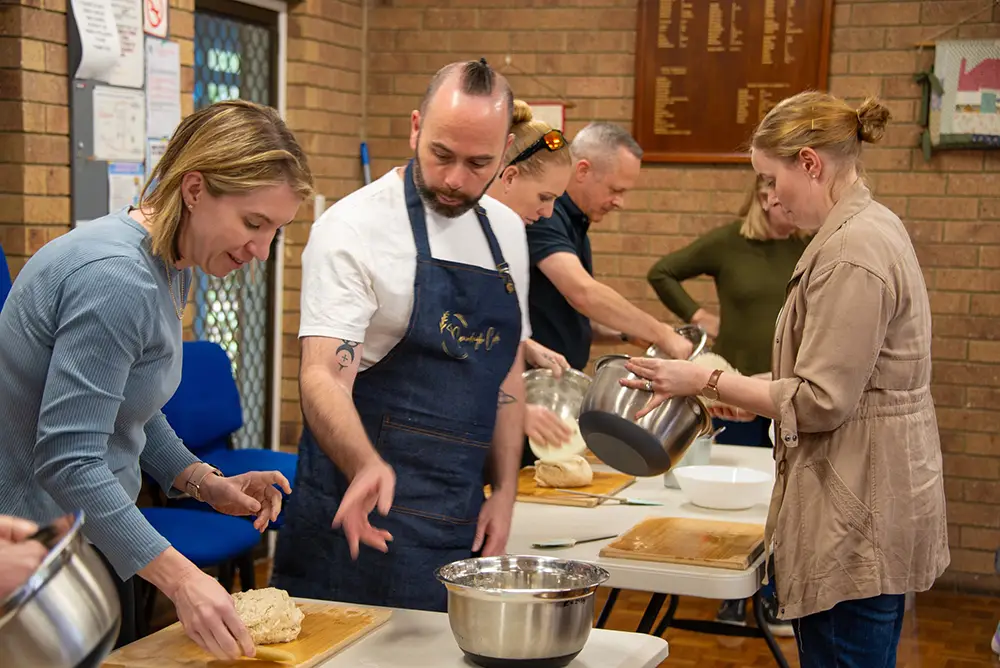
Every session runs for three hours. You'll work hands-on with real dough from start to finish, guided by an instructor the whole way through. By the end, you leave with a loaf you made yourself — plus the knowledge to repeat it at home.
You don't need any prior baking experience. All equipment is provided. All three workshops are small-group sessions, which means you get proper attention rather than watching from the back of a crowded room.
For a full overview of the workshop format and what to expect on the day, see our guide: What to Expect at a Sourdough Bread-Making Workshop.
The Classic Sourdough Workshop
What you'll learn
The Classic Workshop is built around the foundational sourdough loaf: a white or wholemeal wheat boule with an open crumb, a crackly crust, and that signature tang. It's the bread most people picture when they think of sourdough.
You'll cover:
- How to prepare and assess your starter before baking
- Mixing and autolyse (a short rest that makes the dough easier to work with)
- Stretch-and-fold technique during bulk fermentation
- Pre-shaping and final shaping — how to build surface tension so the loaf holds its form
- Scoring patterns and why they matter
- Baking in a Dutch oven using trapped steam for maximum oven spring
You'll walk away with a solid understanding of the full process — from a live, active starter through to a finished loaf. More importantly, you'll understand why each step works, so you can adapt when things don't go exactly to plan at home.
Who it's for
The Classic Workshop is the right starting point if:
- You're new to sourdough and want to learn the core method before branching out
- You've tried making sourdough at home but keep running into problems (dense loaves, no oven spring, sticky dough that won't shape)
- You want to bake the kind of loaf you'd find at a good artisan bakery
- You're buying the workshop as a gift for someone who loves bread
It's also worth noting that the classic wheat sourdough process is the foundation that rye and gluten-free techniques build on. If you're genuinely new to sourdough, starting here gives you the strongest base.
Good to know: Even experienced home bakers often find the Classic Workshop valuable. Hands-on feedback in a small group catches technique errors that are almost impossible to self-diagnose.
The bread you'll take home
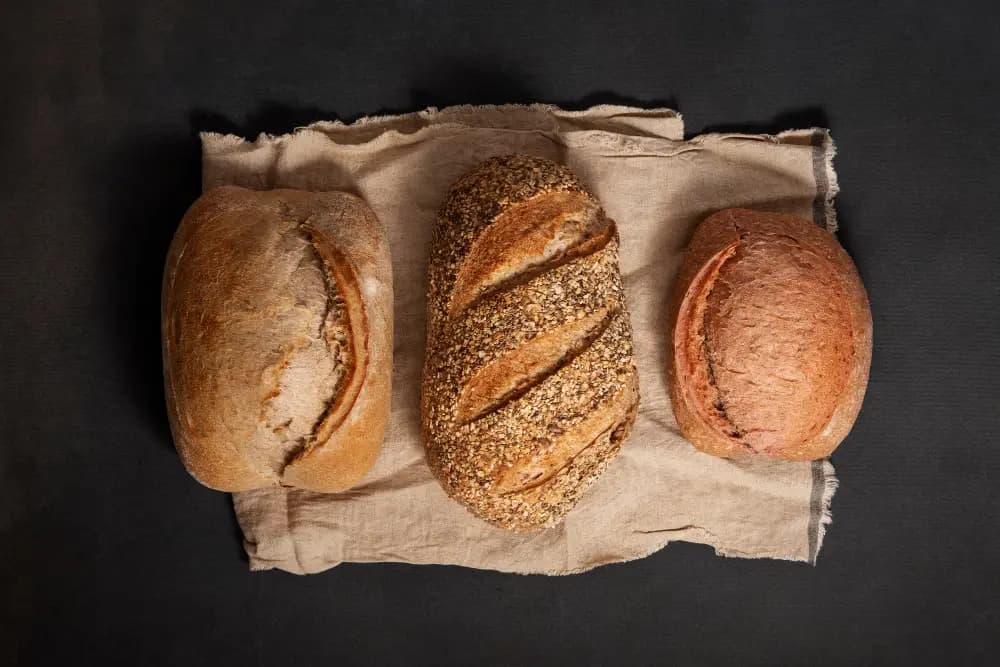
A round boule (or batard, depending on shaping preference) made with a wheat flour base. Expect an open, irregular crumb, a scored crust, and a mild to moderate sour flavour depending on fermentation time.
The Rye Sourdough Workshop
What you'll learn
Rye is one of the oldest cultivated grains in the world, and rye sourdough has deep roots across Scandinavia, Germany, Eastern Europe, and the Baltic states. It behaves very differently from wheat — and that's exactly what makes it interesting.
The Rye Workshop covers:
- How rye flour differs from wheat at a structural level (less gluten, higher fibre, different starch behaviour)
- Why rye dough is stickier and denser — and why that's normal, not a failure
- Working with high-hydration rye dough without fighting it
- The role of a rye sourdough starter and how its acidity contributes to structure
- Baking in a tin versus a free-form loaf
- Flavour development: how fermentation time, temperature, and flour grade affect the depth of taste
You'll learn to read rye dough on its own terms, rather than comparing it to wheat. That shift in mindset is one of the most useful things students take away from this session.
For a deeper look at the science behind rye flour before your workshop, see The Complete Guide to Sourdough Rye Bread.
Who it's for
The Rye Workshop suits you if:
- You already bake basic sourdough and want to expand your skills
- You love the flavour of rye bread — the earthiness, the depth, the chew
- You're interested in bread with a strong cultural and historical identity
- You want to bake bread with a longer shelf life (rye loaves stay fresh for longer than wheat sourdough due to their moisture retention)
- You're curious about Scandinavian or Eastern European baking traditions
We'd generally suggest having some baking experience before booking the Rye Workshop — not because it's technically difficult, but because you'll get more out of it if you already have a feel for fermentation and dough handling. That said, complete beginners who are particularly motivated to learn rye are always welcome.
The bread you'll take home
A dense, deeply flavoured rye loaf — typically a 70–100% rye bread baked in a tin. The crumb is tighter and moister than wheat sourdough. The crust is thinner. The flavour is bold, slightly acidic, and complex. It keeps well and slices cleanly.
The Gluten-Free Sourdough Workshop
What you'll learn
Gluten-free sourdough is genuinely one of the more technically demanding areas of bread baking — but the rewards are significant, particularly if you or someone in your household can't eat gluten.
The GF Workshop is built around making real, flavourful sourdough bread without any wheat, barley, or rye. That means working with alternative flour blends and understanding how they behave differently from grain to grain.
You'll cover:
- How gluten-free flours work and what each one contributes (rice, buckwheat, sorghum, teff)
- The role of psyllium husk and other binders in replacing gluten's structural function
- How to maintain a dedicated gluten-free starter and avoid cross-contamination
- Adjusting hydration, mixing technique, and proofing for GF dough
- Understanding why fermentation is especially beneficial for GF bakers — it improves digestibility, flavour, and texture in ways that standard GF bread simply can't match
- Troubleshooting the most common GF failures: gummy interiors, flat loaves, and crumbly crumb
One important point: the Gluten-Free Workshop takes place in a dedicated session using separate equipment. If you have coeliac disease or a serious gluten sensitivity, let us know when booking so we can confirm the setup is appropriate for your needs.
For more background before attending, read The Complete Guide to Gluten-Free Sourdough Bread.
Who it's for
The GF Workshop is the right choice if:
- You have coeliac disease or a gluten intolerance and want real sourdough in your life
- You bake for someone with dietary restrictions and want to do it properly
- You've tried gluten-free sourdough at home and ended up with something gummy, flat, or flavourless
- You're curious about alternative grains and want to expand beyond wheat
It's also worth knowing that fermented gluten-free bread has potential benefits beyond just being wheat-free. Research suggests that long fermentation can reduce FODMAPs and improve the overall digestibility of GF breads — something we cover in the workshop in plain, practical terms.
The bread you'll take home
A fully gluten-free sourdough loaf with a genuine crumb structure, a proper crust, and real flavour — not the dry, crumbly texture most commercial GF breads are known for. Students regularly tell us this is the best GF bread they've ever tasted.
Side-by-Side: Which Workshop Fits You?
| Classic | Rye | Gluten-Free | |
|---|---|---|---|
| Best for | Beginners and anyone wanting the foundational skill | Curious bakers ready to go deeper | Anyone who can't eat gluten |
| Prior experience needed | None | Some helpful, not required | None |
| Dough texture | Soft, extensible, moderately sticky | Very sticky, dense | Thick, paste-like |
| Shaping method | Boule or batard | Tin loaf | Tin loaf |
| Flavour profile | Mild to moderate tang | Earthy, bold, complex | Nutty, deep, slightly tangy |
| Shelf life | 2–4 days | 5–7 days | 3–5 days |
| Dietary | Contains gluten | Contains gluten | Gluten-free |
"Can I Book More Than One Workshop?"
Yes — and many students do. The three workshops complement each other well. The Classic gives you the foundation; the Rye shows you how different grains behave; the GF pushes your understanding of what structure and fermentation actually do in bread.
There's no set order, but if you're completely new, starting with Classic makes the most sense. You'll have a reference point for everything else.
Still Not Sure? Here Are Three Quick Questions
1. Do you or someone you cook for need to avoid gluten? If yes → Gluten-Free Workshop.
2. Have you baked sourdough before, and are you looking for something more complex and flavourful? If yes → Rye Workshop.
3. Are you new to sourdough, or do you want to master the classic loaf? If yes → Classic Workshop.
If you're still weighing it up, our guide Can You Really Learn Sourdough in 3 Hours? explains the workshop structure and what you can realistically expect to take away — which might help you decide.
Ready to Book?
All three sourdough workshop types run regularly throughout the year. Spaces are limited to keep the groups small and the teaching hands-on.
View all available workshop dates and book your spot →
Not sure if a workshop is the right gift? See Sourdough as a Gift: Why a Workshop Makes the Perfect Present.