
Why Is My Sourdough So Dense? Causes and Fixes
You pull your loaf out of the oven. The crust looks beautiful. You tap the base, it sounds hollow, and everything seems right. Then you slice into it and find a tight, heavy crumb that could double as a doorstop.
Dense sourdough is the single most common complaint from home bakers — and the good news is that it almost always has a clear, fixable cause. This guide walks through every reason your sourdough might be coming out dense, how to diagnose which one is your problem, and exactly what to do about it.
For a full overview of sourdough issues, start with our Sourdough Troubleshooting Guide.
What Causes Dense Sourdough Bread?
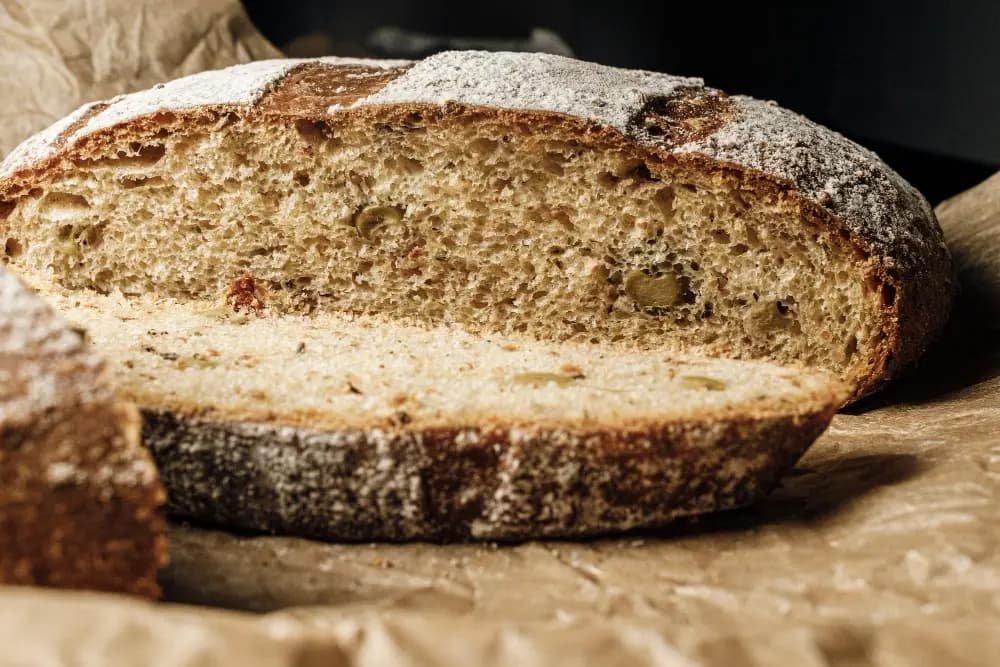
Dense sourdough is caused by a breakdown somewhere in the fermentation, structure-building, or baking process. The main culprits are a weak starter, incorrect fermentation timing, poor shaping, low-protein flour, and insufficient oven heat. Most bakers are dealing with just one or two of these at a time.
Work through the causes below in order — the first two account for the majority of dense loaves.
Cause 1: Your Starter Isn't Strong Enough
How does a weak starter make sourdough dense?
Your starter is the engine of the whole process. If it isn't producing enough gas, your dough won't rise properly, and the crumb will be tight and heavy. A weak or underactive starter is the root cause of most dense loaves, especially for newer bakers.
How do I know if my starter is the problem?
A healthy starter should roughly double in size within 4–8 hours of feeding and have a domed top, a bubbly texture throughout, and a pleasant sour smell. If yours is sluggish, flat, or smells unpleasant, it needs attention before you bake.
The classic float test — dropping a small spoonful of starter into water to see if it floats — gives a rough indication, but visual and timing cues are more reliable. Learn the full range of readiness signals in our guide to how to know when your sourdough starter is ready to bake with.
How do I fix a weak starter?
- Feed your starter on a consistent schedule (typically every 12–24 hours at room temperature)
- Use filtered or rested tap water — chlorine can inhibit wild yeast activity (source)
- Keep it somewhere warm — around 24–26°C is ideal
- Give it several days of regular feeding before baking
Only bake when your starter is at peak activity: domed, bubbly, and at least doubled since its last feed.
Cause 2: Under-Fermentation During Bulk Rise
What is under-fermentation and why does it cause a dense loaf?
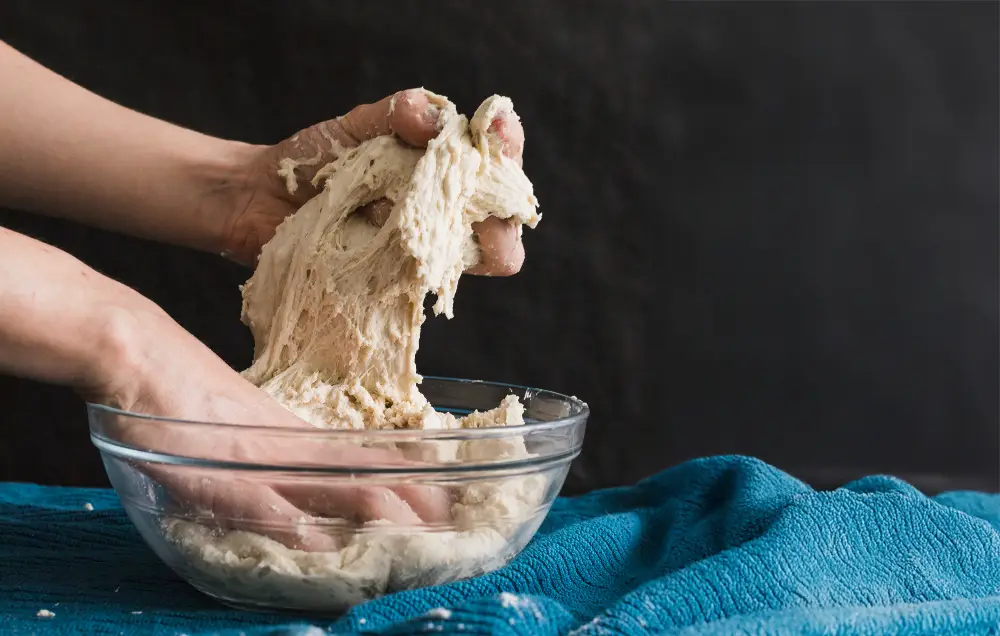
Bulk fermentation is the long rise that happens after you mix your dough and before you shape it. During this phase, the wild yeast produces carbon dioxide gas, which creates the open, airy structure in your crumb. Cut it short and the dough simply hasn't developed enough gas or gluten structure to support a light loaf.
Under-fermentation is probably the most common cause of dense sourdough overall. Many bakers follow a time-based schedule rather than reading the dough, and times vary enormously depending on your kitchen temperature.
How do I know if my dough is under-fermented?
Signs of under-fermented dough include:
- Less than 50–75% increase in volume during bulk
- Dough that feels tight, dense, and not at all airy when you handle it
- No visible bubbles under the surface when you stretch the dough
- A loaf that doesn't spring up well in the oven and has a tight, gummy crumb
How do I fix under-fermentation?
Let the bulk fermentation run longer and trust the dough, not the clock. You're looking for roughly 50–75% volume increase, a dough that jiggles noticeably when you shake the container, visible bubbles throughout, and a surface that looks slightly domed and airy. Bulk fermentation explained covers every visual cue in detail.
A consistent kitchen temperature makes this much easier to manage. A dough proofer or a switched-off oven with just the light on can help if your kitchen runs cold.
Cause 3: Over-Fermentation
Can too much fermentation also cause a dense crumb?
Yes. It's less common than under-fermentation, but over-fermented dough produces a dense, flat loaf as well — just for different reasons. When dough ferments too long, the gluten network breaks down and can no longer hold the gas bubbles produced by the yeast. The structure collapses, and you end up with a spread-out, flat loaf with a tight or gummy crumb.
How do I know if my dough is over-fermented?
- Dough that spreads out flat rather than holding its shape when you tip it out
- A very slack, almost liquid texture that's hard to handle
- A strong, overly acidic smell
- A loaf that barely rises in the oven and has a collapsed or uneven crumb
How do I fix over-fermentation?
If your dough consistently over-ferments, your bulk fermentation is running too warm or too long. Try a cooler spot in your kitchen, reduce your starter percentage slightly (for example, from 20% to 15%), or use a cold bulk fermentation in the fridge overnight to slow things down and give yourself more control.
Cause 4: Poor Shaping and Not Enough Surface Tension
How does shaping affect crumb density?
Shaping isn't just about appearance. When you shape sourdough correctly, you create surface tension across the outside of the dough. That tension acts like a container, holding the gas inside the loaf as it proves and bakes. Without it, gas escapes, the structure weakens, and the crumb comes out dense and uneven.
What does poor shaping look like?
A poorly shaped loaf tends to:
- Spread sideways rather than rising upwards
- Have a flat, deflated appearance after the final proof
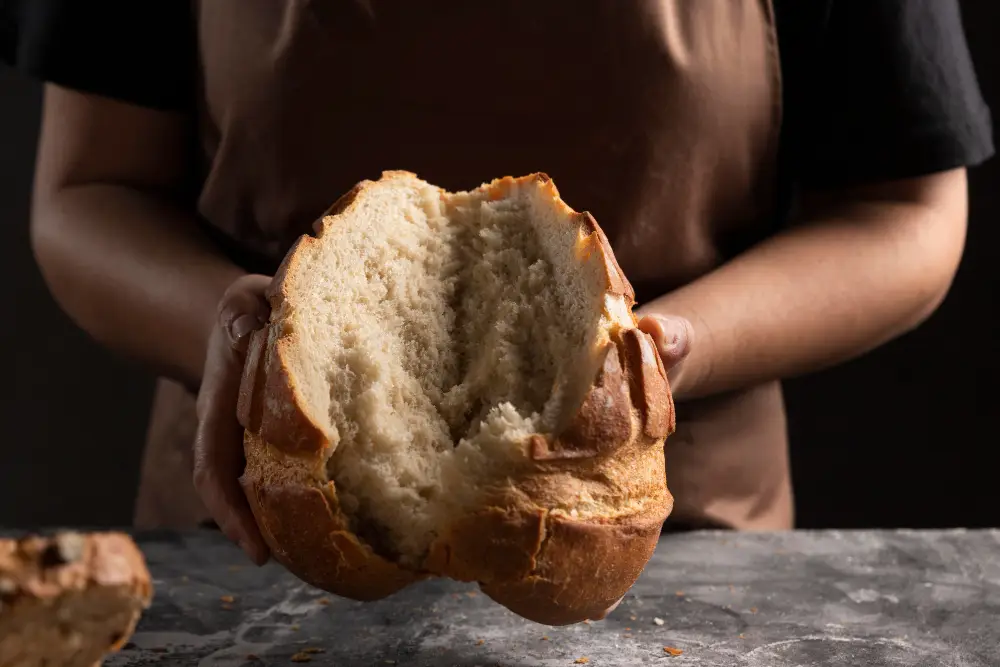
- Show a patchy, inconsistent crumb with dense areas and occasional large holes
How do I fix shaping issues?
Work on building tension in your pre-shape and final shape. You want the surface of the dough to feel taut under your hands, like a drum skin. Avoid adding too much flour during shaping — a slightly sticky dough grips the bench and builds better tension than one that slides around. Our guide to how to shape sourdough bread walks through both boule and batard techniques step by step.
Cause 5: Using the Wrong Flour
Does flour type affect sourdough density?
Significantly. Bread flour with a higher protein content (typically 12–14%) forms a stronger gluten network, which holds gas better and supports a more open, light crumb. All-purpose or plain flour with lower protein produces a weaker structure and a denser result. Wholemeal and rye flours add flavour and nutrition but also add density — start with a smaller percentage if you're blending them in.
What flour should I use for lighter sourdough?
Look for a strong bread flour with at least 12% protein. Stone-ground flours retain more of the wheat's natural nutrients and can produce excellent results, though they sometimes need slightly more hydration. For a detailed breakdown, see our guide to the best flour for sourdough bread.
Cause 6: Oven Temperature Is Too Low
Can a cool oven cause dense sourdough?
Yes. Sourdough needs a hot oven — ideally 230–250°C — to bake properly. A cool oven means the dough heats up slowly, giving the crust time to set before the interior has fully risen. The result is a loaf that never achieves good oven spring, leaving you with a dense, under-risen crumb.
How do I fix oven temperature issues?
Preheat your oven for at least 45–60 minutes before baking, especially if you're using a Dutch oven, baking stone, or baking steel. These items take much longer to reach temperature than the oven air alone. Use an oven thermometer to verify your oven's actual temperature — many domestic ovens run 10–20°C cooler than the dial suggests. (source)
Cause 7: Not Enough Steam in the Early Bake
Why does steam affect crumb density?
In the first 15–20 minutes of baking, steam keeps the crust soft and pliable so the loaf can expand fully before the crust sets hard. Without steam, the crust firms up too quickly and physically prevents the loaf from rising — which means a denser crumb and poor oven spring.
How do I create steam for sourdough?
The most reliable home method is baking in a preheated Dutch oven with the lid on for the first 20 minutes. The dough's own moisture creates a steamy environment inside. After 20 minutes, remove the lid to brown and crisp the crust. Read more about Dutch oven sourdough and why steam matters.
Quick-Reference: Dense Sourdough Diagnosis
| Symptom | Most Likely Cause |
|---|---|
| Dense crumb, gummy interior | Under-fermentation |
| Flat loaf, collapsed structure | Over-fermentation or poor shaping |
| Dense with pale, soft crust | Oven too cool or not enough steam |
| Consistently heavy loaves | Weak starter or wrong flour |
| Tight crumb despite good process | Shaping tension too low |
Related Troubleshooting Articles
If your loaf is also struggling to rise at all, see My Sourdough Didn't Rise: What Went Wrong. For loaves that look fine but don't spring up in the oven, Sourdough Oven Spring: Why It Happens covers the oven and scoring side of the equation. If your dough is too sticky to shape well in the first place, How to Fix Sourdough That's Sticky and Hard to Shape is worth reading before your next bake.
The Fastest Way to Stop Baking Dense Sourdough
Most bakers find that fixing dense sourdough comes down to learning to read their dough rather than following a rigid recipe. Once you understand what properly fermented dough looks, feels, and smells like, the guesswork disappears.
That's exactly what we focus on in our hands-on sourdough workshops. In three hours, you'll learn how to manage fermentation by feel, build proper shaping tension, and set up your oven for the best possible bake — with an experienced instructor watching you work and giving feedback in real time.
Find out what to expect at a sourdough workshop or compare our Classic, Rye, and Gluten-Free options to find the right fit.