
The Best Flour for Sourdough Bread (And What to Avoid)
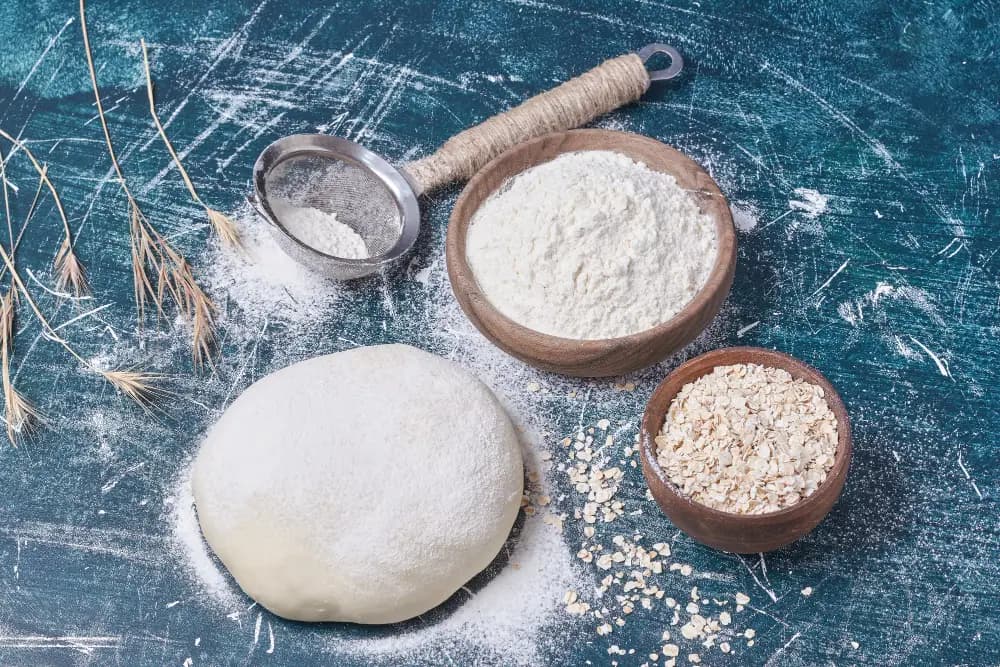
Walk into any decent supermarket and you'll find at least half a dozen bags of flour staring back at you. Plain flour, bread flour, wholemeal, spelt, rye, "00", self-raising — the options are endless, and the labels don't always make it obvious which one belongs in your sourdough.
Here's the short answer: protein content is everything. The type of protein in flour, and how much of it there is, determines whether your dough will hold together, trap gas, and bake into a well-risen loaf — or collapse into a flat, dense disappointment.
This guide breaks down exactly what to look for, which flours work best for different goals, and which ones to leave on the shelf.
Why Protein Content Matters More Than Brand
When flour is mixed with water, two proteins — glutenin and gliadin — combine to form gluten. Gluten is the stretchy, elastic network that gives bread its structure. It traps the carbon dioxide produced by your starter's wild yeast, which is what makes your dough rise and gives sourdough its open, airy crumb.
Higher protein content means stronger gluten development. Stronger gluten means better gas retention. Better gas retention means a loaf that rises properly and holds its shape.
This is why the brand on the bag matters far less than the number on the back. A bag of budget bread flour with 13% protein will outperform a premium plain flour with 9% protein in almost every sourdough scenario.
What to look for: Aim for flour with at least 11–12% protein content for everyday sourdough baking. Most bread flours hit 12–14%.
Protein content is usually listed on the nutrition panel under "protein per 100g." A flour with 13g of protein per 100g has 13% protein.
The Best All-Round Choice: Strong White Bread Flour
Strong white bread flour is the go-to option for most sourdough bakers, and for good reason. It has a high protein content (typically 12–14%), it's easy to handle, and it produces a consistent, reliable loaf with a light crumb and good crust.
In the UK, look for labels that say "strong bread flour" or "strong white flour". Supermarket own-brand versions work perfectly well — don't feel pressured to buy specialty artisan brands when you're starting out.
When to use strong white bread flour:
- Learning the basics of sourdough
- Baking a classic open-crumb white sourdough
- Shaping practise (the stronger gluten is more forgiving)
- Feeding your starter for a reliable, active culture
Popular options in the UK and Australia: Allinson Strong White Bread Flour, Marriages Strong White Bread Flour, Laucke Wallaby Bakers Flour, Lighthouse Bread & Pizza Flour.
Wholemeal Flour: More Flavour, More Activity
Wholemeal flour (sometimes called whole wheat flour) is milled from the entire wheat grain — bran, germ, and endosperm together. This means it contains more minerals, more natural wild yeast, and more of the nutrients that your starter loves.
Benefits of wholemeal flour in sourdough:
- More flavour. The bran and germ add a nutty, earthy depth that white flour can't replicate.
- Faster fermentation. The minerals and enzymes in wholemeal act as fuel for your starter, speeding up activity.
- More nutritious. Higher fibre, more B vitamins, and a lower glycaemic impact than white bread.
The trade-off:
Bran particles act like tiny knives in the dough — they cut through gluten strands, weakening the network. This means wholemeal doughs are stickier, denser, and less forgiving to shape. A 100% wholemeal sourdough will produce a heavier loaf with a tighter crumb.
The practical approach: Most bakers blend wholemeal with strong white bread flour. A ratio of 20–30% wholemeal to 70–80% white bread flour gives you the flavour and fermentation benefits without sacrificing structure.
Stoneground vs Roller-Milled: Does It Matter?
You'll often see stoneground flour at farmers' markets, specialist bakers, or in artisan brands. It's milled using traditional millstones that grind the grain slowly at low heat, rather than the high-speed steel rollers used in commercial milling.
What stoneground flour does differently:
- Retains more of the germ (and its oils and enzymes) because less heat is generated
- Results in a more complex, less uniform particle size
- Often has a deeper, more nutty flavour
- Can behave slightly differently in terms of water absorption
That said, the differences in a finished home sourdough loaf are subtle. Stoneground flour is a refinement, not a requirement. Get your technique right first, then experiment with stoneground if you want to explore flavour more deeply.
Spelt Flour: Ancient Grain, Different Rules
Spelt is an ancient relative of modern wheat. It has a lovely nutty, slightly sweet flavour and is often easier for some people to digest than modern wheat. However, spelt gluten is weaker and more fragile — it tears more easily during shaping and can't withstand aggressive kneading or over-fermentation.
Tips for baking sourdough with spelt:
- Use a blend of 20–40% spelt with strong white bread flour rather than 100% spelt
- Handle the dough gently and avoid over-working it
- Watch fermentation carefully — spelt doughs can go from perfectly proofed to over-proofed quickly
- Reduce hydration slightly compared to your normal recipe
Spelt can be a wonderful addition to your sourdough rotation, but it requires more attention than standard bread flour. If you're still getting comfortable with the basics, build your confidence with classic flour first before experimenting.
Rye Flour: The Most Powerful Flavour Booster
Rye behaves so differently to wheat that it really deserves its own conversation — and we've covered it in detail in the complete guide to sourdough rye bread. But here's the short version:
Rye contains very little gluten-forming protein. Instead, it's full of water-absorbing starches called pentosans, which create a dense, sticky dough that can't be handled the same way as a wheat dough. A 100% rye sourdough is closer to a batter than a dough.
Where rye flour excels:
- Adding to your starter. Even a small amount of rye in your starter feed (10–20%) dramatically increases activity and flavour.
- Small additions to wheat doughs. Adding 5–15% rye to a standard sourdough recipe deepens the flavour without dramatically changing the dough's handling.
- Full rye loaves. Dense, moist, and tangy — Scandinavian-style rye breads are baked in tins rather than shaped as free-form loaves.
Gluten-Free Flours: A Different Approach Entirely
Baking gluten-free sourdough is a genuinely different skill set. There's no gluten network to develop, so you need to create structure through other means — usually a combination of different flour types and binding agents like psyllium husk.
The best gluten-free flour blends for sourdough typically include a combination of rice flour, buckwheat, sorghum, or teff. If you're baking gluten-free, the complete guide to gluten-free sourdough bread will walk you through exactly how to approach it.
Flours to Avoid (Or Use With Caution)
Plain flour / all-purpose flour
Plain flour typically contains 9–10% protein — too low for reliable sourdough baking. Doughs made with plain flour will be slack, won't hold their shape, and often produce a dense, gummy crumb. You can make sourdough with plain flour, but you're working against yourself. Upgrade to bread flour.
Self-raising flour
Avoid completely. Self-raising flour contains chemical leavening agents (baking powder) that interfere with your wild yeast culture and are pointless in a naturally leavened bread.
"00" flour
"00" refers to the fineness of the grind, not the protein content. Some "00" flours are high-protein (suitable for sourdough), while others are low-protein (designed for pasta). Check the nutrition panel. If the protein content is above 12%, it can work — but it's not the most economical choice.
Cake flour
Very low protein, ultra-fine, designed for a tender, crumbly texture. Completely unsuitable for sourdough.
A Practical Guide to Sourdough Flour by Baking Goal
| Goal | Recommended Flour | Notes |
|---|---|---|
| First loaf / learning the basics | Strong white bread flour | Most forgiving, consistent results |
| More flavour | 80% strong white + 20% wholemeal | Good balance of structure and taste |
| Rustic, wholesome loaf | 60% strong white + 40% wholemeal | Denser crumb, richer flavour |
| Rye character | 85% strong white + 15% rye | Adds tang and depth, still easy to handle |
| Traditional rye bread | 50–100% rye flour | Requires different technique entirely |
| Gluten-free sourdough | Rice flour + buckwheat or sorghum blend | Requires binding agents — see GF guide |
Does Organic Flour Make Better Sourdough?
Organic flour is milled from grain grown without synthetic pesticides or fertilisers. Some bakers swear it produces a more active starter and more flavourful bread — and there's a reasonable logic to this. Organic grain may contain more wild yeast and bacteria on the grain surface, which could contribute to starter activity.
In practice, the difference is hard to measure and you'll find passionate bakers on both sides. If you have access to good organic bread flour at a reasonable price, it's worth trying. But it's not a requirement, and a healthy, well-fed starter made with non-organic flour will consistently outperform a neglected one made with organic flour.
Storage: Keeping Your Flour in Good Condition
Even the best flour will underperform if it's stored poorly. A few simple rules:
- White bread flour can be stored in an airtight container at room temperature for up to 6–12 months.
- Wholemeal and spelt flour contain the wheat germ, which has natural oils that can go rancid. Store in a cool, dark place and use within 3 months, or keep in the fridge or freezer for longer storage.
- Rye flour should also be refrigerated once opened, for the same reason.
- Always let refrigerated flour come back to room temperature before baking — cold flour slows fermentation.
For more detail on everything you need to set up your sourdough kitchen, see the sourdough ingredients and equipment guide.
Related Reading
- Do You Need a Banneton? Sourdough Proofing Basket Guide
- Sourdough and Water: Does Water Quality Actually Matter?
- Understanding Hydration in Sourdough
Ready to Put Your Flour to Work?
Understanding flour is one thing — actually baking a great loaf is another. In our hands-on sourdough workshops, we guide you through the full process from starter to finished bread, using the right flour for each workshop type and showing you exactly how to read your dough at every stage.
Find out what to expect at a sourdough workshop — or if you're not sure which style suits you, compare the Classic, Rye, and Gluten-Free workshops here.