
How to Fix Sourdough That's Sticky and Hard to Shape
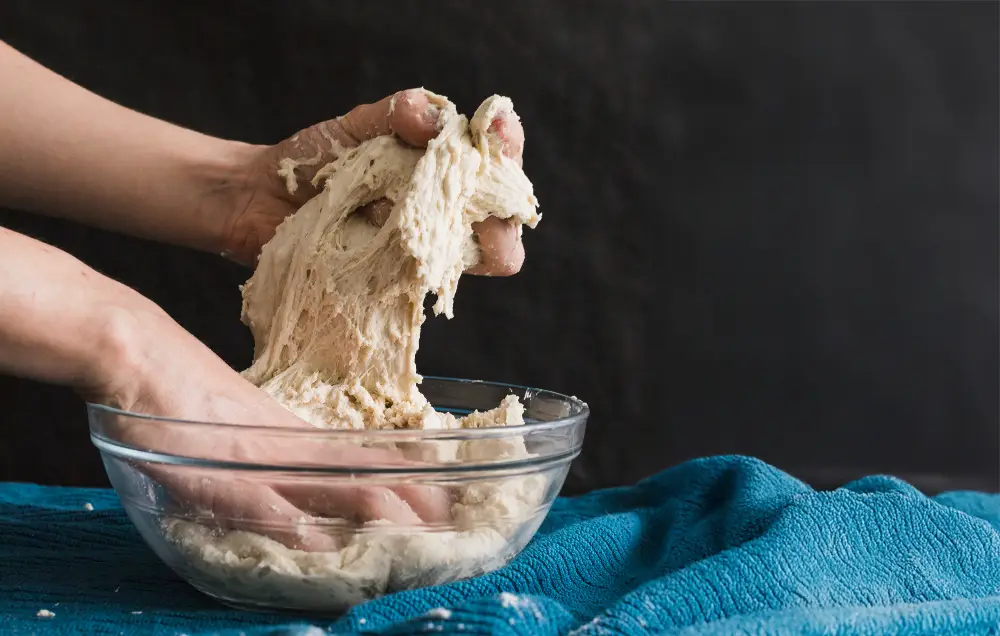
Sticky sourdough dough is one of the most frustrating problems a home baker can run into. You've fed your starter, mixed your dough, and waited patiently — only to find yourself wrestling with something that clings to the bench, your hands, and everything else it touches.
Here's the good news: sticky dough is almost always fixable, and it's usually a sign of something specific rather than a mystery. This guide walks you through exactly why sourdough dough gets sticky, how to identify the cause, and what to do about it — both in the moment and for your next bake.
For a broader look at what can go wrong with a loaf, see the full Sourdough Troubleshooting Guide.
Why Is My Sourdough Dough So Sticky?
Sourdough dough is naturally wetter and stickier than commercial yeast bread dough. That's normal. The high hydration levels common in sourdough recipes — often 70–80% or higher — mean you're working with more water relative to flour than you might be used to.
But there's a difference between normal sourdough stickiness and dough that genuinely cannot be shaped. If you're struggling to do anything with your dough without it turning into a mess, one or more of the following is likely the culprit.
The Most Common Causes of Sticky Sourdough Dough
1. The Hydration Is Too High for Your Skill Level
High-hydration doughs (80%+) are challenging even for experienced bakers. If you're following a recipe with a very high water percentage and you're new to sourdough, the dough will almost certainly feel unmanageable.
The fix: Drop your hydration by 5–10%. If your recipe calls for 80% hydration, try 72–75%. This simple change can make shaping dramatically easier without affecting the flavour of your loaf. For more on this, read Understanding Hydration in Sourdough.
2. The Flour Doesn't Have Enough Protein
Not all flours absorb water the same way. A plain white flour with low protein content (around 10%) will absorb far less water than a strong bread flour (12–14% protein). If you've swapped flour brands or types, that change alone can turn a manageable dough into a sticky mess.
The fix: Use a strong bread flour with at least 11.5–12% protein for sourdough. Check the nutrition label — protein is listed per 100g. If you're using all-purpose flour, consider blending in some higher-protein bread flour. See The Best Flour for Sourdough Bread for specifics.
3. Bulk Fermentation Has Gone Too Long
Over-fermented dough is notoriously sticky and structurally weak. When dough ferments for too long, the gluten network starts to break down. The result is a slack, wet-feeling dough that spreads rather than holds its shape — and sticks to everything.
Signs you've over-fermented:
- The dough feels unusually loose or almost liquid
- It spreads flat immediately when turned out
- It smells very acidic or sour
- The surface is bubbly and slightly gassy but won't hold tension
The fix: This batch is salvageable as a flat loaf, focaccia, or even a pan loaf (which needs less shaping strength). For your next bake, reduce bulk fermentation time by 30–60 minutes and pay attention to the dough's behaviour rather than the clock. The Bulk Fermentation Explained article covers the signs to watch for in detail.
4. The Dough Is Too Warm
Temperature has a big effect on how dough handles. Warm dough ferments faster and often feels slacker and stickier because the gluten relaxes. If your kitchen is warm (above 24°C), your dough may be fermenting faster than expected and losing structure before you get to shaping.
The fix: Try bulk fermenting in a cooler spot, or reduce your water temperature. Using cool water (around 18–20°C) at the start slows down fermentation and helps you stay in control. You can also shorten bulk fermentation time in warm weather.
5. Not Enough Folds During Bulk Fermentation
Stretch-and-fold sets during bulk fermentation serve a critical purpose: they build gluten strength. If you skip them or do too few, the dough won't develop enough structure to resist sticking and spreading at the bench.
The fix: Aim for 4–6 sets of stretch-and-folds during the first 2–3 hours of bulk, with roughly 30 minutes between each set. You can also use the coil fold method for high-hydration doughs — it's gentler and equally effective.
6. Your Hands and Bench Are Too Wet or Too Dry
Technique matters enormously when working with sticky dough. Many bakers reach for flour the moment things get sticky — which can actually make matters worse by unbalancing the recipe. Others wet their hands so much that the dough absorbs extra water.
The fix: Use the right amount of bench flour — a light, even dusting rather than a heavy coating. Alternatively, try the no-flour bench technique: a lightly oiled surface and damp hands (not wet) gives you more control, especially for the initial pre-shape. A metal bench scraper is an essential tool here — it lets you work fast and clean up the bench between folds.
How to Shape Sticky Sourdough Without It Sticking
Even when dough is on the sticky side, good shaping technique makes all the difference.
Use a Bench Scraper
A bench scraper is the single most useful tool for sticky sourdough. Use it to help fold the dough, release it from the bench, and build tension by dragging the dough toward you. It keeps your hands clean and gives the dough something to push against.
Chill the Dough Before Shaping
If your dough is unworkably sticky, put it back in the bowl and refrigerate it for 20–30 minutes before attempting to shape. Cold dough is firmer, less extensible, and much easier to handle. This is especially useful in warm weather.
Don't Over-handle the Dough
The more you handle sticky dough, the warmer and stickier it gets. Work quickly and confidently. Get the tension built in a small number of moves rather than repeatedly trying to perfect the shape. A slightly imperfect shape that gets into the banneton quickly is better than a perfectly shaped loaf that's been handled for ten minutes.
Pre-shape, Rest, Then Final Shape
If the dough is collapsing every time you try to shape it, it may need a pre-shape and rest step. Turn the dough out, do a rough pre-shape into a round, cover it, and leave it on the bench for 20–30 minutes. This bench rest allows the gluten to relax and then tighten slightly, making the final shape much easier.
What to Do When the Dough Is Already Sticking to the Banneton
Dough sticking to the proofing basket is a separate (and equally infuriating) problem. The usual causes are:
- The banneton wasn't floured generously enough before loading
- The dough was too wet when it went in
- The banneton wasn't seasoned or was used when still damp
The fix: Dust bannetons generously with rice flour before loading — rice flour doesn't absorb moisture the way wheat flour does, so it creates a much more reliable release surface. After each use, let the banneton dry out completely before storing it. If dough sticks badly, freeze the shaped loaf (in the banneton) for 30 minutes before trying to turn it out. See Do You Need a Banneton? Proofing Basket Guide for full care instructions.
Quick-Reference: Sticky Dough Troubleshooting
| Symptom | Likely Cause | Fix |
|---|---|---|
| Dough sticky from the start | Hydration too high or flour too weak | Reduce water by 5–10% or switch to bread flour |
| Dough gets stickier during shaping | Over-fermented or too warm | Chill dough 20–30 min, shorten ferment next time |
| Dough spreads flat and won't hold shape | Over-proofed or weak gluten structure | Bake as focaccia or pan loaf; do more folds next time |
| Dough sticks to bench only | Poor technique or too much water on hands | Use bench scraper, light flour dusting, or oiled surface |
| Dough sticks to banneton | Insufficient flour or damp basket | Use rice flour, let basket dry fully, freeze briefly before turning out |
Can You Still Bake Sticky, Over-Fermented Dough?
Yes — and you should. Don't throw it away.
Over-fermented dough that's too sticky to shape into a boule or batard can be baked successfully as:
- Focaccia — Pour it into a well-oiled tray, dimple with your fingers, and bake. The open texture of focaccia actually suits a loose dough.
- A tin loaf — Use a loaf tin to support the structure. It won't need much shaping and will still taste great.
- Flatbreads or crackers — Very over-fermented dough can be flattened and baked as a crispy flatbread.
Nothing is wasted. Some of the most delicious bakes come from salvage operations.
How to Prevent Sticky Dough in Future Bakes
The most reliable way to stop dough from being too sticky is to build a consistent process:
- Measure by weight, not volume — Cups of flour vary wildly. A digital scale is non-negotiable for repeatable results.
- Know your flour — Different brands and types absorb water differently. When you find a flour that works, stick with it or adjust your hydration when you change.
- Ferment to signs, not time — Temperature changes everything. Learn what properly fermented dough looks and feels like rather than relying purely on hours. Read My Sourdough Didn't Rise: What Went Wrong for more on reading dough accurately.
- Keep your kitchen temperature consistent — Aim for 22–24°C during bulk fermentation. If your kitchen is hotter or cooler, adjust your timing accordingly.
- Do your stretch-and-folds — They're not optional. Each set builds gluten strength that directly affects how the dough handles at shaping.
When to Ask for Help
There's only so much a guide can do. If you're still struggling with sticky, unmanageable dough after working through these fixes, it might be time to bake alongside someone who can watch your dough and your process in real time.
At The Sourdough Code, our hands-on sourdough workshops are designed exactly for this. In three hours, you'll mix, fold, shape, and score a real loaf — with experienced eyes on your technique the whole time. Students often find that watching and doing the folds just once in person makes everything click in a way that reading never quite does.
Not sure which workshop suits you? The Classic vs Rye vs Gluten-Free guide will help you choose.