

What to Do with Sourdough Discard
Every sourdough baker faces the same question sooner or later: what do I do with all this discard?
If you've been maintaining your sourdough starter, you already know the routine. Each time you feed your starter, you remove a portion before adding fresh flour and water. That removed portion is your discard — and throwing it in the bin every time feels like a waste.
The good news? Sourdough discard is a genuinely useful ingredient. It adds flavour, improves texture, and reduces food waste. This guide covers everything you need to know: what discard actually is, how to store it, and the best recipes and uses for it.
What Is Sourdough Discard?
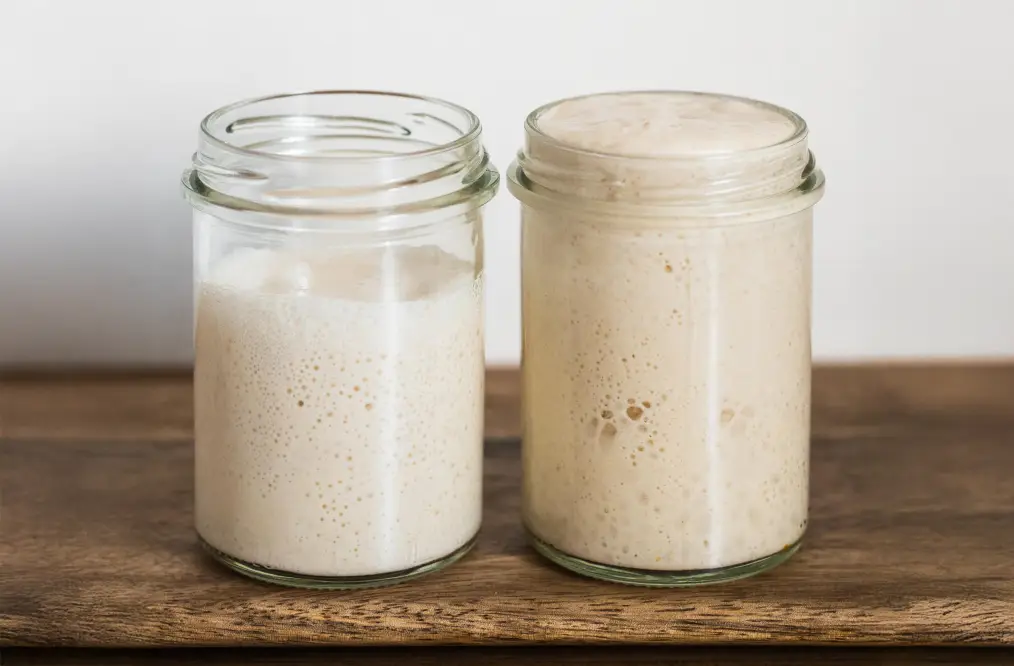
Sourdough discard is the portion of your starter that you remove before each feeding. It's not "dead" starter — it still contains wild yeast and bacteria — but it's past its peak activity, which means it won't give your bread the strong rise it needs.
When you feed a starter, you typically keep a small amount and mix it with fresh flour and water. If you didn't discard first, the starter would grow to an unmanageable size very quickly. A starter fed with a 1:5:5 ratio (1 part starter, 5 parts flour, 5 parts water) would double with every feed. Within a week, you'd have kilograms of it.
Discard has a mildly sour, tangy flavour from the lactic and acetic acids produced during fermentation. This is what makes it such a useful baking ingredient — it brings a depth of flavour that plain flour simply can't match.
Is Sourdough Discard Safe to Use?
Yes, sourdough discard is safe to use in cooking and baking, provided your starter is healthy.
A healthy starter is an acidic environment. Research published in the journal Food Microbiology shows that the low pH of a mature sourdough culture inhibits the growth of harmful pathogens. As long as your discard doesn't show signs of mould, unusual colours (pink, orange, or fuzzy growth), or a foul smell (beyond the normal sour tang), it's fine to use.
Fresh discard — used the same day — performs best in recipes. Older discard that's been sitting in the fridge for a week or more will taste more sour, which can be a good thing depending on what you're making.
How to Store Sourdough Discard
You have two main options for storing discard:
At room temperature: Use discard within a few hours of removing it from your starter. It will continue to ferment at room temperature, becoming more acidic over time.
In the fridge: Transfer discard to a clean jar with a loose lid and keep it in the fridge for up to two weeks. The cold slows fermentation significantly but doesn't stop it entirely. The longer it sits, the tangier it becomes.
You can add to the same jar each time you feed your starter, building up a supply for baking. Just make sure the jar is clean and the discard doesn't smell off before you use it.
Tip: If you store your starter in the fridge and only feed it once a week, you'll accumulate discard much more slowly — which can make it easier to manage.
The Best Sourdough Discard Recipes
1. Sourdough Discard Pancakes
This is the most popular discard recipe, and for good reason. Sourdough pancakes are light, slightly tangy, and far more interesting than standard pancakes.
What you need:
- 240g (1 cup) sourdough discard
- 120g (1 cup) plain flour
- 1 tsp baking powder
- ½ tsp bicarbonate of soda
- 1 tbsp sugar
- 1 egg
- 240ml (1 cup) milk
- 30g (2 tbsp) melted butter
Mix wet and dry ingredients separately, then combine gently. Cook on a medium heat in a lightly greased pan. The baking powder and bicarb provide the lift, since your discard won't have enough active yeast to do it on its own.
2. Sourdough Crackers
Sourdough crackers are crisp, flavourful, and dead simple to make. They're also a great way to use up large amounts of discard at once.
What you need:
- 240g (1 cup) sourdough discard
- 60g (4 tbsp) melted butter or olive oil
- 120g (1 cup) plain flour
- ½ tsp salt
- Toppings of your choice: sesame seeds, rosemary, flaky salt
Mix everything together until a dough forms. Roll it out as thinly as possible on a lined baking tray — the thinner the cracker, the crispier the result. Score into rectangles or squares, sprinkle with toppings, and bake at 180°C (350°F) for around 20–25 minutes until golden and crisp.
3. Sourdough Banana Bread
Banana bread is already a forgiving recipe, but adding sourdough discard gives it a subtle tang that cuts through the sweetness and makes it more complex. Use very ripe bananas for the best result.
The discard replaces some of the liquid in a standard banana bread recipe. Start by substituting 120g (½ cup) of discard for roughly half the yoghurt or buttermilk called for in your usual recipe.
4. Sourdough Waffles
If you have a waffle iron, this is one of the best uses for discard. The same batter used for sourdough pancakes works well in a waffle iron, though you may want to reduce the milk slightly for a thicker batter that holds the waffle grid pattern better.
Sourdough waffles freeze well, too. Make a large batch and reheat them straight from the freezer in a toaster for a quick breakfast during the week.
5. Sourdough Flatbreads
Sourdough flatbreads require no proofing time and cook quickly in a dry frying pan. They're soft, slightly chewy, and work well as a wrap, a side to soup, or a base for toppings.
What you need:
- 240g (1 cup) sourdough discard
- 120g (1 cup) plain flour, plus extra for dusting
- ½ tsp salt
- 1 tbsp olive oil
Mix everything into a soft dough. Divide into equal pieces (about 60g each), roll out thinly on a floured surface, and cook for 1–2 minutes per side in a dry hot pan until charred spots appear.
6. Sourdough Pizza Dough
Discard won't give you the same rise as an active starter, but it works well in pizza dough when combined with a small amount of commercial yeast. The discard adds flavour and a slightly chewy texture that many bakers prefer to a plain yeasted dough.
Combine your discard with flour, water, salt, and a small pinch of instant yeast (around 1g per 500g flour). Allow the dough to rest for at least an hour before shaping, or refrigerate it overnight for more flavour development.
7. Sourdough Chocolate Cake
This one surprises people, but sourdough discard works beautifully in chocolate cake. The acidity in the discard reacts with bicarbonate of soda to help the cake rise, and the tangy flavour pairs surprisingly well with dark chocolate.
King Arthur Baking publishes a widely used recipe for sourdough chocolate cake that's worth bookmarking.
8. Sourdough Muffins
Any muffin recipe that calls for buttermilk, yoghurt, or soured milk is a good candidate for sourdough discard. Swap in discard at a 1:1 ratio and reduce the liquid in the recipe slightly to account for the thickness of the discard.
Blueberry, lemon, and bran muffins all work particularly well.
9. Sourdough English Muffins
English muffins made with sourdough discard — plus a little commercial yeast to boost the rise — have a depth of flavour that the shop-bought version simply can't match. They cook on a griddle or in a dry frying pan, which creates the characteristic flat top and bottom with a chewy interior.
The dough requires a couple of hours of proofing time, but the process is straightforward and the results are well worth it.
10. Sourdough Pasta
For a more adventurous use of discard, add it to fresh pasta dough. Replace some of the water in a standard pasta recipe with sourdough discard. The result is a slightly tangy, more complex pasta that pairs particularly well with rich sauces like a slow-cooked ragu or brown butter with sage.
Non-Baking Uses for Sourdough Discard
Not everything has to go in the oven. Here are a few other ways to use discard:
As a marinade base: The acidity in sourdough discard works as a tenderiser. Mix it with olive oil, garlic, and herbs and use it to marinate chicken or pork for a few hours before grilling.
In soups and stews: A spoonful of discard stirred into a creamy soup adds a subtle tang. Try it in potato soup or a butternut squash bisque.
As a coating for fried foods: Thin discard with a little water to make a simple batter for onion rings, courgette fritters, or fried chicken.
Tips for Using Sourdough Discard
Match tang level to the recipe. Fresh discard tastes mild. Discard that's been in the fridge for a week is noticeably more sour. Recipes like crackers and flatbreads can handle a lot of tang; more delicately flavoured recipes like vanilla muffins are better with fresh discard.
Keep a dedicated discard jar. Add to it each time you feed your starter. Label it with the date it was started so you know how old the oldest discard in the jar is.
Don't use discard as the only leavening in quick breads. Your discard doesn't have enough active yeast to lift a muffin or a cake on its own. Pair it with baking powder, bicarbonate of soda, or a small amount of commercial yeast.
Weigh your discard. Volume measurements for sourdough discard are unreliable because the thickness varies depending on your feeding ratios and how long it's been stored. Use a kitchen scale.
When Should You Throw Discard Away?
Discard keeps well in the fridge for up to two weeks. Beyond that, it's worth discarding the discard — the flavour can become overpoweringly sour and may develop off-notes that affect the taste of whatever you're making.
Always check before using: if you see any mould, unusual colours, or if it smells truly foul rather than pleasantly sour, throw it out and start a fresh jar.
If you find your discard jar filling up faster than you can use it, consider reducing the amount you keep when you feed your starter. Many experienced bakers keep just 20–30g of starter, which produces far less discard at each feed.
If you'd like to learn more about keeping your starter in good shape, our guide to reviving a neglected sourdough starter is a useful companion to this one.
Make the Most of Your Discard at a Workshop
If managing your starter still feels confusing — or if you'd like hands-on guidance on the whole sourdough process — a workshop is an excellent next step.
At The Sourdough Code's sourdough bread-making workshops, you'll learn everything from starter maintenance to shaping and baking your first loaf, all in a single three-hour session. Our instructors cover the questions that books and guides can't fully answer — including the ones you didn't know you had.
This article is part of our Sourdough Starter Maintenance guide, which covers everything you need to keep a healthy starter for the long term.