
Scoring Sourdough: Patterns, Tools, and Technique
Scoring is one of the most satisfying moments in sourdough baking. You've mixed, folded, shaped, and waited — and now, just before the loaf goes into the oven, you get to run a blade across the surface and decide how it opens up.
But scoring isn't just about looks. Done well, it controls how your loaf expands in the oven, protects the structure you've worked hard to build, and gives you that dramatic burst of oven spring. Done poorly — or skipped altogether — your bread will tear where it wants to, not where you want it to.
This guide covers the tools, the principles behind the technique, the most useful cuts for beginners, and how to branch out into decorative patterns once you've got the basics down.
If you're still working through your first loaf from scratch, start with our complete classic sourdough bread guide first, then come back here when you're ready to refine your technique.
Why Scoring Matters
When shaped dough goes into a hot oven, the heat causes rapid gas expansion inside the loaf. That gas needs somewhere to escape. If you haven't scored the dough, it finds its own weak point — usually a seam on the side or base — and bursts there unpredictably.
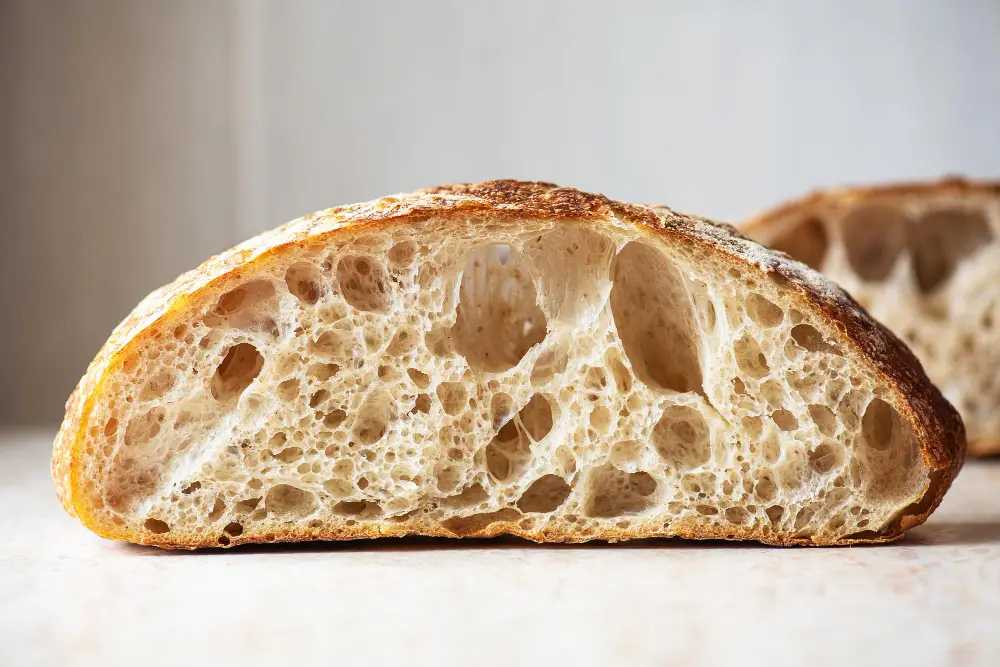
A deliberate score gives the gas a controlled exit. The dough peels back along the cut, creating what bakers call an "ear" — that raised flap of crust you see on a well-baked sourdough. The ear is a sign of proper oven spring and good baking conditions. It's also a useful diagnostic: if your ear is flat or absent, something went wrong before the blade even came out.
Scoring also affects crust texture. Cuts made at a low, shallow angle tend to produce a more open ear with a thin, crackly flap. Straight vertical cuts produce a more symmetrical bloom without a pronounced ear. Knowing this helps you choose the right cut for the result you want.
Tools: What You Need for a Clean Cut
The Lame
A lame (pronounced lahm) is the standard scoring tool — a handle that holds a thin, curved razor blade. The curve is important: it allows you to cut at a low angle without your hand dragging across the dough.
Lames come in two main styles:
- Straight handle (stick lame): A simple dowel or handle with a blade attached at one end. Inexpensive and easy to find. Good for straight cuts and basic patterns.
- Oblong or curved handle: Designed to hold the blade in a fixed curve, which makes angled cuts more consistent. Popular with bakers who score frequently.
Blades are replaceable and should be changed regularly. A dull blade drags the dough instead of cutting cleanly, which deflates the loaf and ruins the pattern. If you find yourself pushing rather than slicing, replace the blade.
A Sharp Knife or Scissors
You don't need to buy a lame to start scoring. A sharp serrated knife or even a pair of kitchen scissors work for basic cuts. Scissors are especially useful for snipping a cross into the top of round loaves — a traditional technique for rolls and some rustic loaves.
The limitation of a knife is thickness. Even a sharp chef's knife is much thicker than a razor blade, which means more drag on the dough. It's a fine starting point, but worth upgrading once you're baking regularly.
A Bowl of Cold Water
Keep a small bowl of cold water nearby. Dipping the blade lightly between cuts stops wet dough from building up on the blade and pulling at the surface.
How to Score: The Principles
Chill Your Dough First
Cold dough scores better than dough at room temperature. If you've been cold-proofing in the fridge overnight (which most bakers do), score directly from the fridge — don't let it warm up. The firm surface holds its shape under the blade and produces cleaner, more defined cuts.
Blade Angle Changes the Result
The angle at which you hold the lame dramatically affects what happens in the oven. A shallow, almost horizontal angle undercuts the surface of the dough so the top layer peels back during baking — this is how you create a pronounced ear. A more vertical angle cuts straight down, causing the dough to open evenly on both sides of the cut without a defined ear.
Neither is wrong — they produce different aesthetics and suit different shapes. Understanding the relationship between blade angle and outcome is one of the key things that separates confident scorers from hesitant ones.
Commit to the Cut
This is the most important piece of advice for beginners: be decisive. A slow, hesitant cut drags the blade through the dough and tears it. Scoring works best when you move quickly and smoothly in a single continuous motion.
One confident cut is always better than two slow, uncertain ones. The depth and angle are things that click with practice — but decisiveness is something you can commit to from your very first loaf.
Scoring Patterns: From Simple to Decorative
The Single Slash
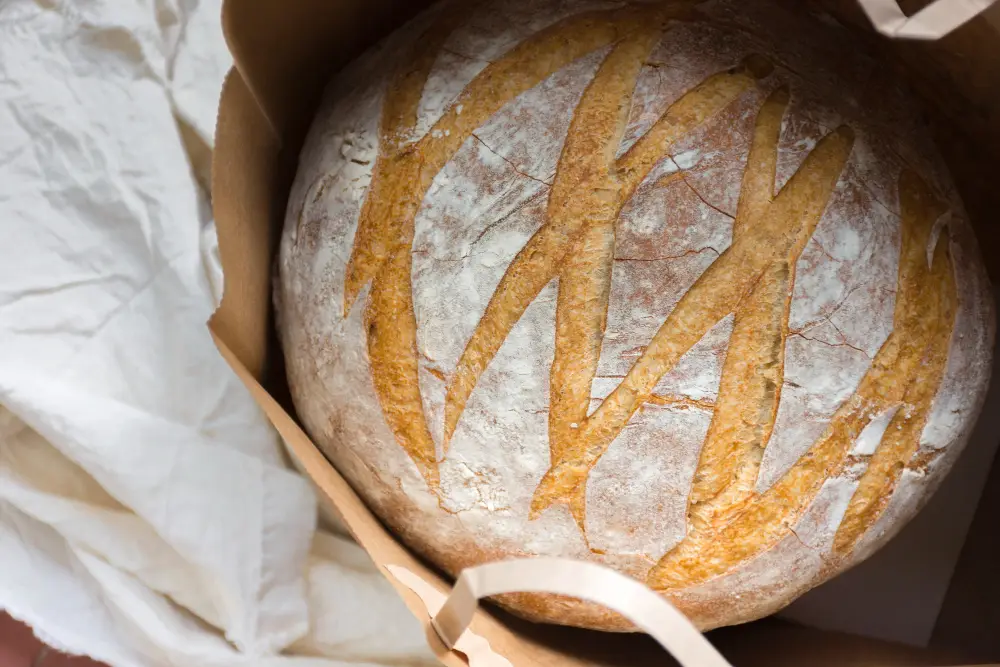
The most practical and widely used score. One diagonal cut along the length of a batard, made at a low angle. Easy to execute, reliable results, and produces a dramatic ear when the bake goes well.
This is the pattern to master first. Everything else builds from here.
The Cross (for Boules)
Two cuts at 90 degrees to each other across the top of a round loaf, with the blade held more vertically. A traditional pattern used across European baking — simple, rustic, and very forgiving for beginners.
The Box Score
Four cuts forming a square or diamond in the centre of the loaf. A step up in complexity, but still straightforward. The interior square tends to lift as a panel during baking, which looks striking on a table.
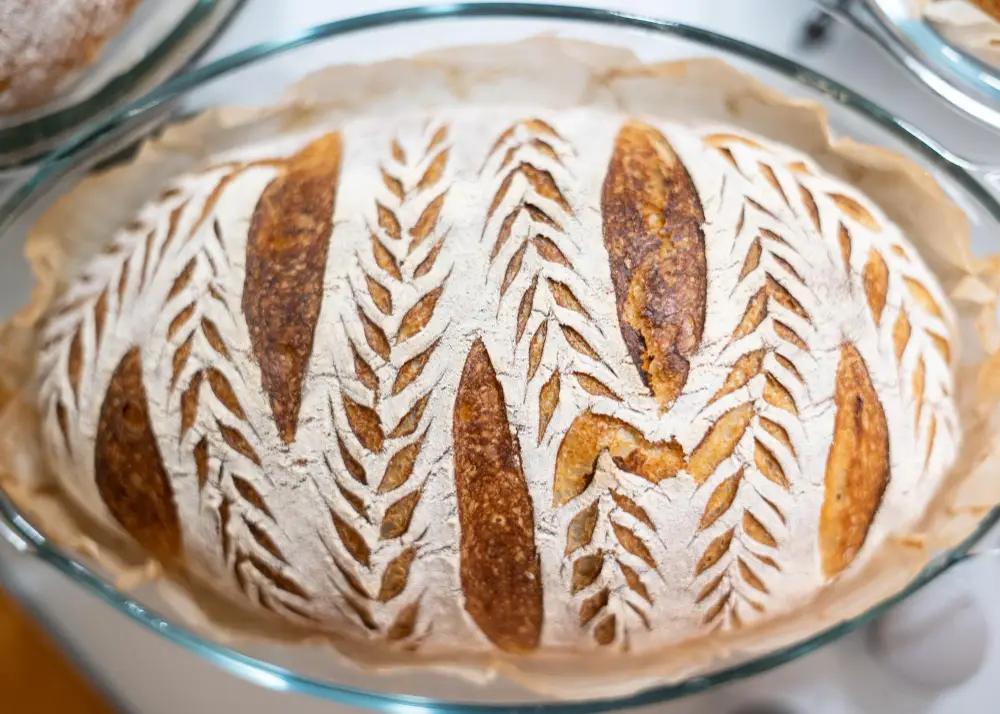
Curved Wheat Stalk
A central spine with short diagonal cuts branching off each side, imitating a wheat stalk. This pattern requires a bit of practice to keep the branches even, but it's one of the most recognisable decorative scores and looks impressive on a gifted loaf.
Freehand Floral and Geometric Patterns
More advanced patterns — spirals, leaves, concentric curves — use the same principles but require practice to execute cleanly on cold dough. Many bakers use a toothpick or skewer to sketch the design lightly on the surface before committing with the blade.
King Arthur Baking has a helpful visual gallery of scoring patterns with notes on technique for each one, worth bookmarking as a reference.
Common Scoring Problems and Fixes
The Score Sealed Shut
Cause: The cut was too shallow, or the dough was too warm and sticky.
Fix: Score more deeply and make sure your dough is well chilled before you start. Cold dough holds its shape under the blade.
The Loaf Blew Out on the Side
Cause: The score didn't fully relieve the pressure inside the loaf, so the dough found its own weak point.
Fix: A single decisive central slash gives gas the clearest exit. Side blow-outs usually mean the score failed.
The Ear Didn't Develop
Cause: The blade was held too vertically, the dough was over-proofed, or there wasn't enough steam in the oven during the first phase of baking.
Fix: Flatten the blade angle for a true ear cut. Then check your oven setup — steam in the first part of baking is essential for ear development and crust quality. Read more about this in our guide to Dutch oven sourdough and why steam matters.
The Blade Is Dragging the Dough
Cause: The blade is dull, or wet dough has built up on the edge.
Fix: Replace the blade. They're inexpensive and make a significant difference. Dip the blade in cold water between cuts.
Scoring and the Stages Before It
Scoring works with what you've done in the earlier stages — it can't rescue a loaf that's been poorly shaped or incorrectly proofed.
If your bread keeps coming out flat or tearing unpredictably despite good scoring technique, the issue is likely upstream. Under-proofed dough has too much gas pressure and tends to blow out even with a good score. Over-proofed dough has a weakened structure and won't hold any pattern.
For a full overview of how bulk fermentation and shaping feed into the final bake, see our guides on bulk fermentation and how to shape sourdough bread.
Practice Makes the Pattern
Scoring improves quickly with repetition. Most bakers find that after five or six loaves, the single slash starts to feel natural — the angle, the speed, the depth all click into place. From there, decorative patterns are just an extension of the same physical skill.
Start with one confident cut, focus on getting your dough cold and your blade sharp, and resist the urge to slow down mid-stroke. The loaves that look the most impressive are almost always the result of someone who committed fully to the cut.
Want to Learn This in Person?
Reading about scoring is useful. Watching someone do it in front of you — and then doing it yourself with flour on your hands — is a completely different experience.
At our sourdough workshops, you'll score your own loaf as part of the full baking process, with hands-on guidance throughout. It's one of the moments our students most often mention afterwards.
Find out more about what to expect at a sourdough workshop, or if you're deciding between our Classic, Rye, or Gluten-Free sessions, our workshop comparison guide will help you choose.